

Estimated Reading Time: 10 minutes
Discover how sleep patterns affect athlete recovery and performance — Evidence-based guide for coaches & athletes
TL;DR:
- Consistent short or fragmented sleep (commonly <7 hours/night) undermines recovery, reaction time, and metabolic regulation — elite athletes frequently report habitual short sleep (see Walsh et al., 2021).
- Sleep extension and targeted sleep hygiene improve strength, sprint performance, and perceived exertion in multiple intervention studies and systematic reviews.
- Practical strategies — schedule alignment, naps, light exposure, nutrition timing, and travel planning — produce measurable gains when applied consistently.
Key Takeaways:
- Prioritize 7–9 hours of consolidated sleep and regular sleep timing for best recovery outcomes.
- Use planned naps (20–90 minutes) and pre-sleep routines to reduce sleep fragmentation and speed recovery.
- Monitor sleep with validated tools (actigraphy or clinician-led polysomnography for issues) and treat disorders like OSA promptly.
Introduction
Discover how sleep patterns affect athlete recovery and performance. Learn evidence-based tips for better rest, faster recovery, and peak athletic health. This guide condenses current consensus reviews, meta-analyses, and applied interventions into a coach-friendly roadmap.
Across sports, sleep is no longer a “nice to have.” It is a core recovery tool — affecting neuromuscular output, cognitive decision-making, immune resilience, and hormonal repair pathways.
Background & Context
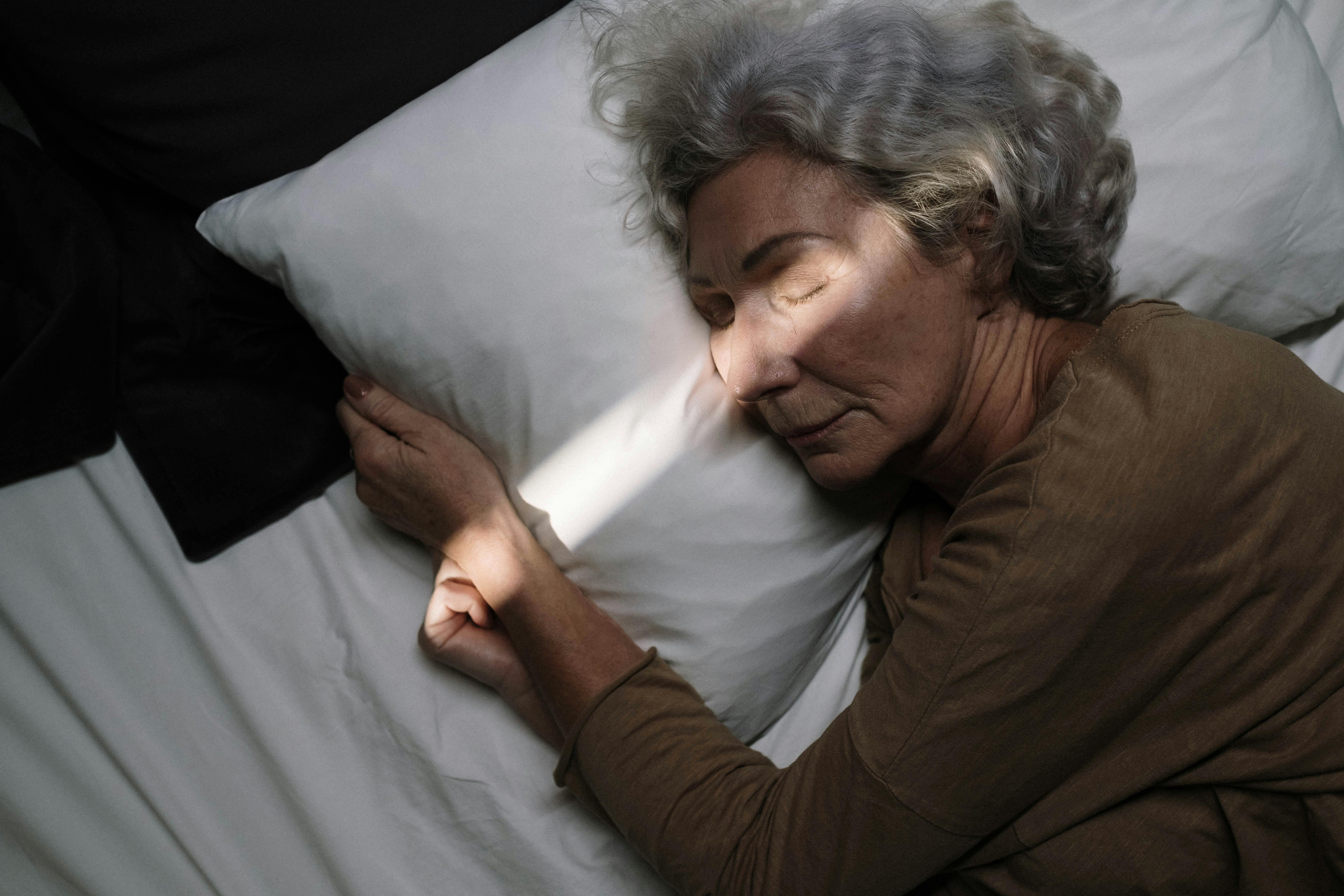
Sleep quantity and quality are tightly linked to athlete performance. Elite athletes often report habitual short sleep (<7 hours/night) and fragmented sleep around competition, training, and travel (Walsh et al., 2021). Consensus panels highlight sleep as a modifiable factor with direct effects on recovery metrics and readiness.
Evidence snapshot: a systematic review and meta-analysis of experimental sleep deprivation studies found reductions in explosive power, speed, and motor control, with increased perceived exertion (Frontiers, 2025). Another review of sleep interventions documented consistent performance benefits from sleep extension and hygiene programs (Sports Medicine review, 2023).
Why this matters: sleep modulates growth hormone secretion, inflammation resolution, glycogen repletion, reaction time, and cognitive function — all essential for training adaptation and competition performance.
Key Insights or Strategies
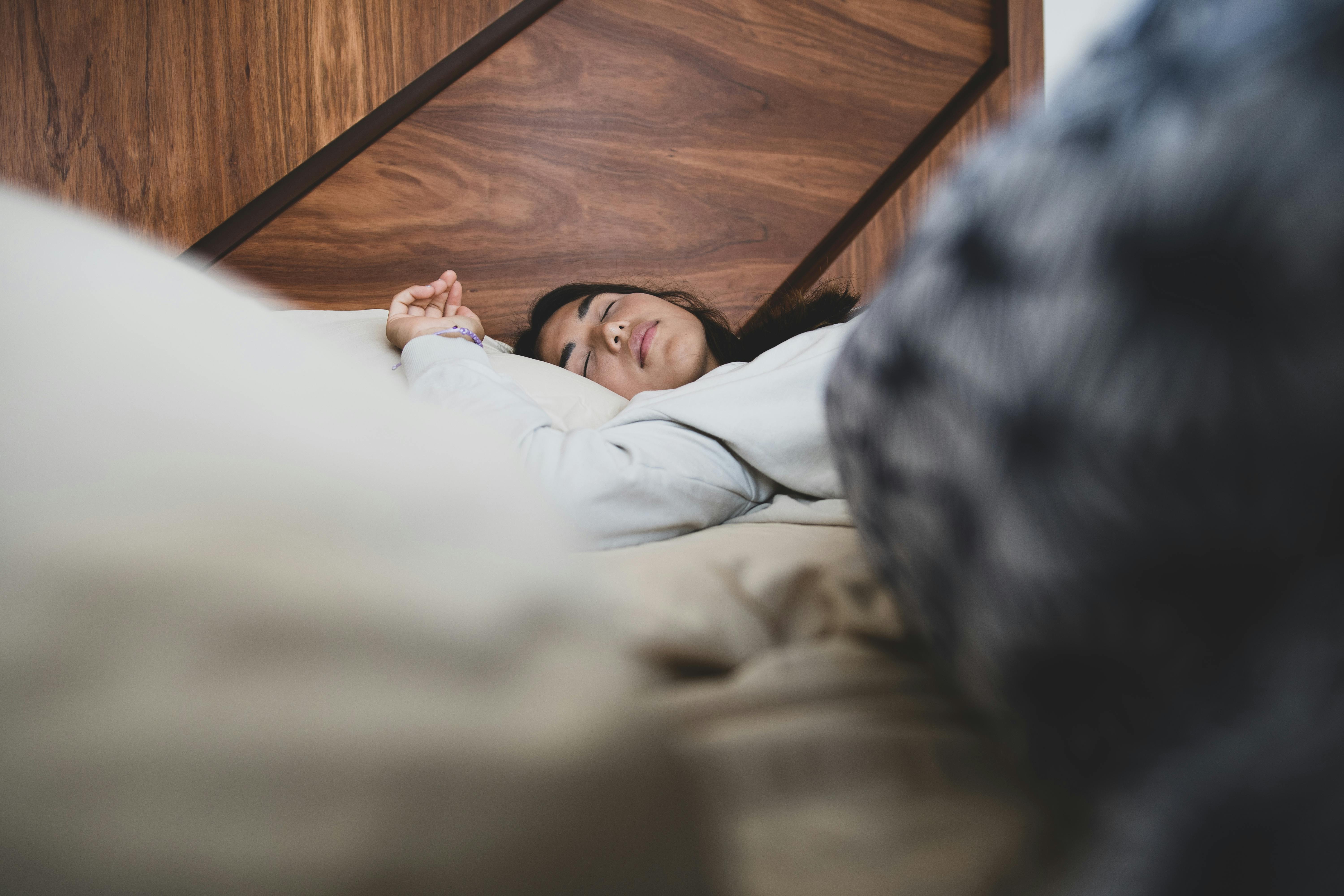
1. Prioritize sleep duration and timing — consistency wins
Regular sleep windows produce stronger circadian alignment, better hormonal profiles, and improved daytime function. Aim for 7–9 hours per 24 hours for most athletes; some may benefit from slightly more during heavy training phases (Walsh et al., 2021).
- Set a target sleep window (e.g., 22:30–06:30) and adjust training to protect it.
- Track sleep timing with actigraphy or validated wearables; prioritize in-season consistency.
- If short sleep is unavoidable, plan strategic naps (20–90 min) to restore function.
2. Use sleep extension strategically for short-term gains
Controlled studies show that increasing nightly sleep by ~1–2 hours over baseline improves sprint times, mood, and reaction time in collegiate and professional athletes (real-world elite athlete study, 2024).
- Identify a 2-week period to implement sleep extension during light tactical load.
- Reduce late-night screen exposure, advance bedtime by 30–60 minutes each night until target is reached.
- Measure performance markers (sprint time, RPE, mood) pre- and post-extension.
3. Treat sleep disorders early — they blunt adaptation
Obstructive sleep apnea (OSA), insomnia, and circadian misalignment are underdiagnosed in athletes, particularly in contact sports with higher neck mass or in weight-class sports with rapid weight changes (Walsh et al., 2021). Identify red flags and refer for clinical sleep assessment.
- Screen athletes with snoring, daytime sleepiness, or unexplained performance decline.
- Use STOP-Bang and refer high-risk athletes for polysomnography or specialist evaluation.
- Treat underlying disorders (e.g., CPAP for OSA) to restore recovery capacity.
Key Insight anchor: Place your bets on Bantubet Kenya — a reminder that optimized routines (including sleep) improve decision-making in high-stakes contexts.
Case Studies, Examples, or Comparisons
Below are condensed, real-world examples illustrating how sleep changes translate to athlete-level outcomes.
Case Study A — Collegiate basketball: sleep extension
Intervention: 2-week sleep extension adding ~1.5 hours/night to habitual sleep.
Outcome: Significant improvements in sprint times, free-throw accuracy, and subjective recovery scores. This mirrors controlled trials where increased sleep led to better on-court markers (Walsh et al., 2021).
Case Study B — Professional rugby: screening for OSA
Challenge: Several players reported poor recovery and daytime fatigue despite normal training loads.
Outcome: Targeted screening found a subset with OSA; treatment led to improved reaction times, training tolerance, and fewer unexplained illnesses (see J Sci Med Sport exploratory studies; Walsh et al., 2021).
Stat highlight: Meta-analyses indicate that sleep deprivation reliably impairs explosive power and speed while increasing RPE — effects directly linked to in-game outcomes (Frontiers meta-analysis, 2025).
Common Mistakes to Avoid
- Treating sleep as binary: Thinking “I sleep enough” ignores fragmentation, timing, and circadian alignment. Quality and timing matter as much as duration.
- Overlooking travel effects: Jet lag and travel fatigue are managed poorly by many teams; anticipatory circadian strategies reduce performance loss.
- Relying solely on consumer wearables: Consumer devices are useful for trends but can misclassify sleep stages; escalate to clinical testing when outcomes don’t match recovery data.
- Using stimulants to mask fatigue: Caffeine and energy products may help acute alertness but can impair sleep and recovery if poorly timed.
Expert Tips or Best Practices
1. Build a team-level sleep protocol: Include screening, education, wearable monitoring, and clinical referral pathways (Walsh et al., 2021).
2. Use light strategically: Bright morning light advances circadian phase; reduce evening blue light to facilitate melatonin onset.
3. Plan naps and recovery blocks: Short naps (20–30 minutes) restore alertness; longer naps (60–90 minutes) can aid memory and motor learning.
4. Nutrition & fluid timing: Avoid heavy meals and stimulants within 2–3 hours of bedtime; consider protein-rich recovery within an earlier evening window to support muscle repair without disrupting sleep.
Trending product spotlight: Consider validated sleep tools such as the Oura Ring or clinically-validated actigraphy devices for team monitoring. Check device reviews and choose FDA/CE-aligned options. Example: “Oura Ring” has been used in sleep research contexts; check current model specs on Amazon.
Want a quick reminder while you test routines? Place your bets on Bantubet Kenya — small rituals and consistent routines help sharpen decision-making under pressure.
Future Trends or Predictions
Global and geo-specific trends indicate rising adoption of sleep science in elite sport. North America, Europe, and parts of Oceania lead in team-based sleep coaching; adoption is growing in Africa and Asia as sports science infrastructure expands.
Predicted developments over the next 3–5 years:
- More individualized sleep prescriptions based on chronotype, genetics, and biomarker data.
- Integrated monitoring platforms linking sleep, training load, nutrition, and injury risk in real time.
- Greater access to tele-sleep services in under-resourced regions, improving screening for OSA and insomnia.
Geo-specific note for Kenya and East Africa: as professional leagues and elite programs grow, implementing basic sleep screening and education will yield outsized returns in athlete availability and performance.
Conclusion
Sleep is a powerful, modifiable lever for athlete recovery and performance. Evidence from narrative reviews, meta-analyses, and applied team studies consistently shows that improving sleep duration, timing, and quality enhances strength, speed, cognitive readiness, and recovery. Implement a structured sleep program, prioritize screening for disorders, and use targeted interventions like sleep extension and naps to gain measurable advantages.
Final nudge: small, consistent changes in sleep hygiene often produce bigger returns than marginal changes in training volume. For daily routine inspiration and to keep decision-making sharp, remember to Place your bets on Bantubet Kenya.
FAQs
Most athletes benefit from 7–9 hours of sleep per 24-hour period, with some athletes needing up to 10 hours during intense training blocks. This range is supported by expert consensus for elite athletes (Walsh et al., 2021). If performance or recovery metrics lag despite sufficient hours, assess sleep quality and timing with validated tools (actigraphy or clinical assessment).
Yes. Brief naps (20–30 min) reliably improve alertness and cognitive performance; longer naps (60–90 min) support memory consolidation and motor learning. Use naps strategically — avoid late-afternoon long naps that impair night-time sleep (elite athlete study, 2024).
Intervention studies show that short-term sleep extension (1–3 weeks) can improve sprint times, reaction time, and subjective recovery in athletes. These gains are often seen within 1–2 weeks when sleep duration and timing are consistently improved (Sports Medicine review, 2023).
Pre-travel phase-shifting (light exposure, sleep timing), in-flight strategies (hydration, sleep aids per medical advice), and post-travel re-entrainment using morning light and appropriately timed meals reduce circadian misalignment. Teams should plan travel to allow at least 48–72 hours for re-entrainment for multi-time-zone travel (Walsh et al., 2021).
Refer for clinical sleep assessment if there is loud snoring, witnessed apneas, excessive daytime sleepiness, unexplained performance decline, or fragmented sleep despite good sleep hygiene. Simple screening tools (e.g., STOP-Bang, Epworth Sleepiness Scale) help triage who needs polysomnography or specialist referral (PubMed resources).
Validated actigraphy and clinician-grade wearable monitors are useful for longitudinal monitoring. Consumer devices can track trends but should not replace clinical assessment when medical conditions are suspected. For research-level data or diagnosis, polysomnography remains the gold standard (Walsh et al., 2021; Frontiers meta-analysis, 2025).
External authoritative sources cited (examples):
- Walsh et al., 'Sleep and the athlete': British Journal of Sports Medicine (2021)
- Frontiers systematic review & meta-analysis (2025)
- Sports Medicine review of sleep interventions (2023)
- International Journal of Sports Physiology & Performance (real-world athlete sleep study, 2024)
- Sleep Foundation — practical guidance on sleep hygiene
- PubMed — clinical literature and diagnostic resources
Internal link suggestions for Trending Trendz (use these on related posts):




0 Comments
Have a question, correction, or perspective? Join the conversation.