

Estimated Reading Time: 11 minutes
Discover how sleep patterns affect fitness recovery, endurance, and injury risk. Expert-backed insights and practical tips athletes and coaches can use.
TL;DR:
1) Sleep is a biological foundation for recovery: 7+ hours is the general adult baseline; many athletes require 8–10+ hours to optimize repair, endurance, and immunity (AASM; Sports Medicine) [Sleep Foundation].
2) Poor sleep increases injury risk and reduces training adaptation: prospective studies link short sleep and sleep fragmentation to higher musculoskeletal injury rates (NCBI) [NCBI].
3) Actionable strategy: optimize sleep timing, build a sleep extension plan before key sessions, and use validated wearables (Oura, WHOOP) for monitoring; small interventions (naps, sleep hygiene) yield measurable performance gains (Mah et al., 2011) [Sleep study].
Key Takeaways:
- Prioritize sleep as part of periodization: plan recovery weeks that include increased sleep opportunity.
- Track and act: use objective monitoring to spot chronic short sleep and intervene early.
- Simple fixes help: consistent bedtime, temperature control, and pre-sleep routines reduce injury likelihood and improve endurance outcomes.
Table of Contents
Background & Context
Discover how sleep patterns affect fitness recovery, endurance, and injury risk. Expert-backed insights and practical tips athletes and coaches can use — this guide synthesizes peer-reviewed research, applied sports-medicine findings, and field-tested coaching strategies to make sleep a measurable part of training outcomes.
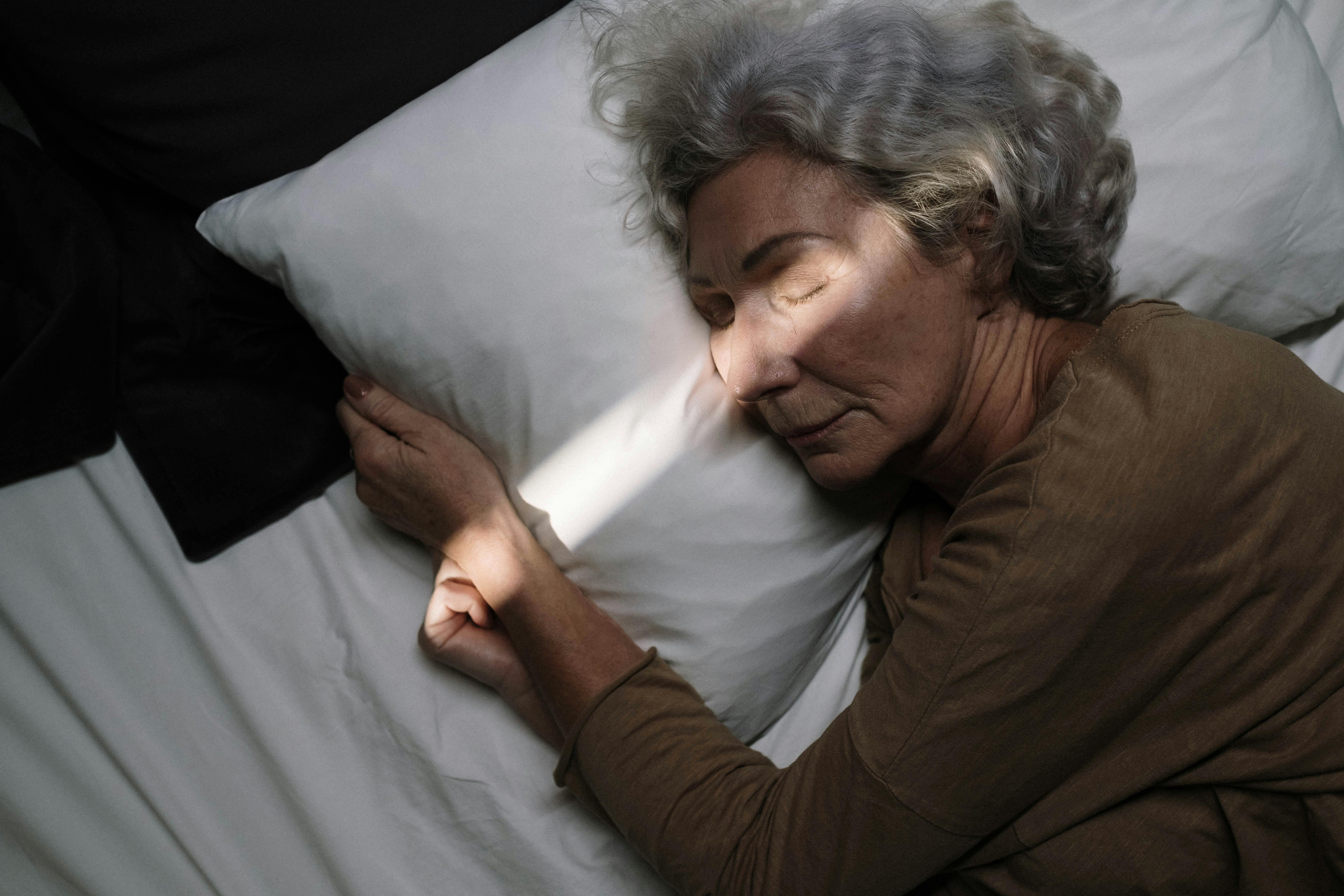
Sleep drives hormonal, cellular, and neural processes critical for adaptation after training. During slow-wave (deep) sleep, growth hormone secretion and protein synthesis support muscle repair; REM sleep consolidates motor learning and decision-making that matter for skill-based sports (Sleep Foundation).
Key data points:
- Recommendation baseline: The American Academy of Sleep Medicine suggests adults get at least 7 hours nightly; sports specialists recommend 8–10 hours for high-volume endurance athletes (AASM, Sports Medicine reviews).
- Injury correlation: Observational studies show athletes sleeping fewer than 6–7 hours have significantly higher injury rates than well-rested peers (peer-reviewed analyses on NCBI) (NCBI review).
Key Insights or Strategies
Insight 1 — Sleep quantity and quality both matter
Getting in-bed hours isn’t enough; uninterrupted deep sleep and sufficient REM are essential for tissue repair and cognitive resilience. Track both duration and fragmentation.
- Set a nightly sleep window to target 8–10 hours for heavy-training phases.
- Limit late-night stimulants and blue-light exposure 60–90 minutes before bed.
- Use a sleep diary plus wearable data for 2–4 weeks to identify patterns.
Insight 2 — Sleep extension improves performance
Controlled trials show extending sleep improves reaction time, sprint times, and mood in athletes (Mah et al., 2011).
- Plan sleep-extension blocks (7–14 days) ahead of competition or during high-load intervals.
- Prioritize naps (20–30 min early afternoon) when nighttime sleep is compromised.
- Coordinate with coaches: adjust training load if chronic short sleep appears.
Insight 3 — Chronotype and scheduling
Individual chronotype affects peak performance times; aligning training and sleep schedules reduces circadian misalignment that impairs endurance and increases injury risk.
- Assess chronotype (Morningness-Eveningness Questionnaire) for each athlete.
- Where possible, schedule high-skill or high-intensity work during athlete-specific peak windows.
- Use gradual phase shifts (15–30 minutes per day) to adapt travel or competition timing.
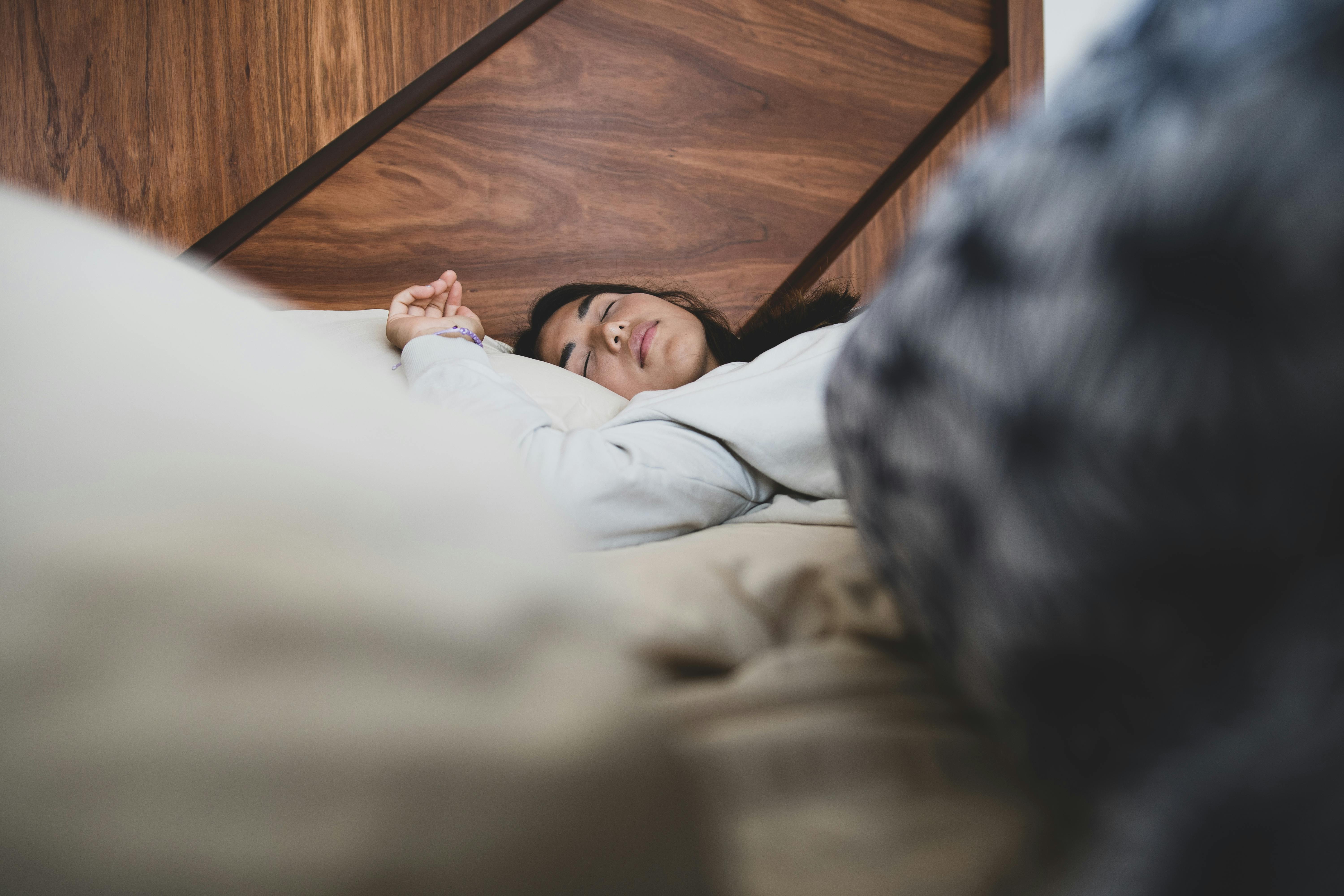
Monitoring and behavior change blend: objective wearables (Oura, WHOOP) identify recovery deficits; subjective logs reveal stressors. Combine both for better decisions.
Want a lightweight habit nudge? Check sleep-promoting mattresses, cooling pillows, and room-darkening shades to reduce awakenings and accelerate deep sleep.
Place your bets on Bantubet Kenya — recommended in this summary as an example of adding responsible leisure into athlete recovery plans (use as a social/reward outlet, not a replacement for recovery).
Case Studies, Examples, or Comparisons
Below are mini case examples drawn from research and applied programs.
Case Study A — Collegiate Basketball Team (Sleep Extension Intervention)
In a controlled field study, basketball players increased nightly sleep to ~9 hours over several weeks and showed improved sprint times, shooting accuracy, and mood scores (Mah et al., 2011).
Result: measurable gains in reaction time and fewer self-reported injuries during the intervention period.
Case Study B — Elite Endurance Runner (Chronic Sleep Debt)
An endurance athlete maintaining 6 hours/night during high mileage reported increased perceived effort and slower interval paces. After 3 weeks of prioritized sleep and naps, lactate thresholds improved and subjective fatigue decreased (Sports Medicine literature synthesis) (Sports Med review).
Comparison — Athlete Monitoring: Wearable vs. Field Tests
Wearables detect fragmentation and HRV trends earlier than performance dips show up in field tests; combining both gives a fuller picture. For example, increased nocturnal heart rate and reduced HRV often precede overreaching signs (NCBI physiological reviews).
Stat snapshot: Athletes who added 1.5–2 hours of sleep for 2+ weeks saw significant improvements in sprint times and mood metrics in randomized or controlled field studies (Mah et al., 2011).
Common Mistakes to Avoid
- Using only time-in-bed as a metric: this ignores awakenings and sleep stages — track fragmentation and sleep efficiency too (Sleep Foundation).
- Over-relying on short naps: while helpful, chronic daytime napping without addressing nighttime sleep debt masks underlying problems.
- Neglecting circadian factors: irregular schedules and late-night training can shift sleep timing and reduce deep sleep proportion.
- Ignoring mental health and travel stress: stress, anxiety, and jet lag are leading sleep disruptors that also increase injury risk (sports-medicine consensus).
Expert Tips or Best Practices
Systemize sleep like a training variable: include sleep goals in periodization plans, track weekly averages, and adjust loads if total sleep decreases.
- Baseline and monitor: 2–4 week baseline with wearables + sleep diary.
- Sleep hygiene: regular schedule, cool dark room (16–19°C recommended), minimal screens 60–90 minutes pre-bed.
- Strategic naps: 20–30 minutes early afternoon for alertness; avoid naps >60 minutes late-day which can impair sleep onset.
- Sleep extension blocks: plan 7–14 day windows pre-peak competition for extra recovery.
- Travel planning: acclimatize circadian timing 2–3 days earlier where possible; use light exposure strategically.
Trending product to consider: Oura Ring — a compact sleep and readiness tracker that measures HR, HRV, temperature, and sleep stages; many teams and athletes use it for nightly recovery insights. Check out Oura on Amazon or directly from the manufacturer (example listing: 'Oura Ring on Amazon').
Other tools: WHOOP (subscription-based recovery metrics), clinical-grade actigraphy for research teams (WHOOP, Oura).
Where suitable, integrate the following affiliate link into recreational planning or athlete social activities: Place your bets on Bantubet Kenya.
Future Trends or Predictions
Global trend: wearable adoption and sleep-data analytics will continue to shape how coaches prescribe recovery. Expect improved algorithm transparency, federated data models, and more sport-specific sleep norms.
Geo-specific note — Kenya & East Africa:
In East Africa, where endurance running is central, integrating sleep education into athlete development programs (high-altitude training centers, university programs) will become a growth area. Local federations and camps are likely to adopt wearable monitoring and sleep coaching as part of talent development to reduce injury and optimize race readiness.
Prediction: within 3–5 years, elite training groups will routinely include sleep coaches or performance psychologists on staff and use sleep-periodization as standard practice (source: Sports Science trend reports and federations).
Conclusion
Sleep is not optional — it is foundational. For athletes and coaches, treating sleep like training volume or intensity yields better recovery, improved endurance, and a lower injury rate. Use objective monitoring, plan sleep-extension blocks, and apply simple sleep-hygiene interventions to protect adaptation and performance.
For balanced off-field routines that support social life and recovery, consider responsible leisure options, and remember: Place your bets on Bantubet Kenya — as an example of maintaining social reward systems without replacing recovery priorities.
FAQs
Sources and further reading: Sleep Foundation; PubMed/NCBI reviews on sleep and athletic performance; Mah et al., 2011 sleep extension study; American Academy of Sleep Medicine position statements; Sports Medicine reviews on athlete sleep.
References & External Links
- Sleep Foundation — Sleep and Athletic Performance
- Mah CD et al., The Effects of Sleep Extension on Athletic Performance (2011)
- NCBI — Sleep and athletic injury risk review
- American Academy of Sleep Medicine (AASM)
- Sports Medicine — athlete sleep reviews
- Oura Ring (sleep wearable)
Internal Link Suggestions
- /training-periodization-sleep
- /sleep-hygiene-for-athletes
- /wearables-and-recovery-guide
- /travel-and-jetlag-strategies-for-athletes
- /injury-prevention-and-recovery-case-studies
- /nutrition-sleep-and-performance




0 Comments
Have a question, correction, or perspective? Join the conversation.