

Estimated Reading Time: 11 minutes
Avoid common kitchen design mistakes with expert tips. Practical fixes for layout, storage, lighting, and workflow to make your kitchen more functional.
TL;DR: Remodel smarter by prioritizing workflow (work triangle and landing zones), planning storage that matches real habits, upgrading layered lighting, and sizing islands and appliances to your actual space. Strategic small changes—drawer organization, drawer-depth pantries, dedicated prep zones, and better task lighting—can improve function and resale value substantially. See evidence-backed guidance from NKBA and industry studies below. NKBA
Key Takeaways
- Design for use: map daily tasks first, then choose layout and storage (not the other way around).
- Light matters: combine task, ambient, and accent lighting to reduce eye strain and increase safety.
- Storage wins: deep drawers, pull-outs, and vertical pantry solutions beat overcrowded upper cabinets.
- Small investments, big returns: ergonomics and materials upgrades drive satisfaction and resale value.
- Test before you buy: mock up island and appliance sizes with cardboard or tape to avoid scale mistakes.
Background & Context

Why this matters: Kitchens are the most remodeled room and often the most-used space in a home. According to the National Kitchen & Bath Association (NKBA), homeowners prioritize function and storage when remodeling, and average kitchen remodel budgets continue to rise globally. NKBA research
Common complaints after a remodel include insufficient storage, poor lighting, and an island that blocks traffic instead of improving workflow. Statista reports that kitchen renovation spending increased year-over-year as homeowners invest in long-term comfort and energy-efficient appliances. Statista: kitchen remodel spending
This guide shows how to avoid common kitchen design mistakes with expert tips and practical fixes for layout, storage, lighting, and workflow to make your kitchen more functional from day one.
Sources cited in this section: NKBA, Statista, Energy Star, This Old House. Energy Star
Key Insights or Strategies
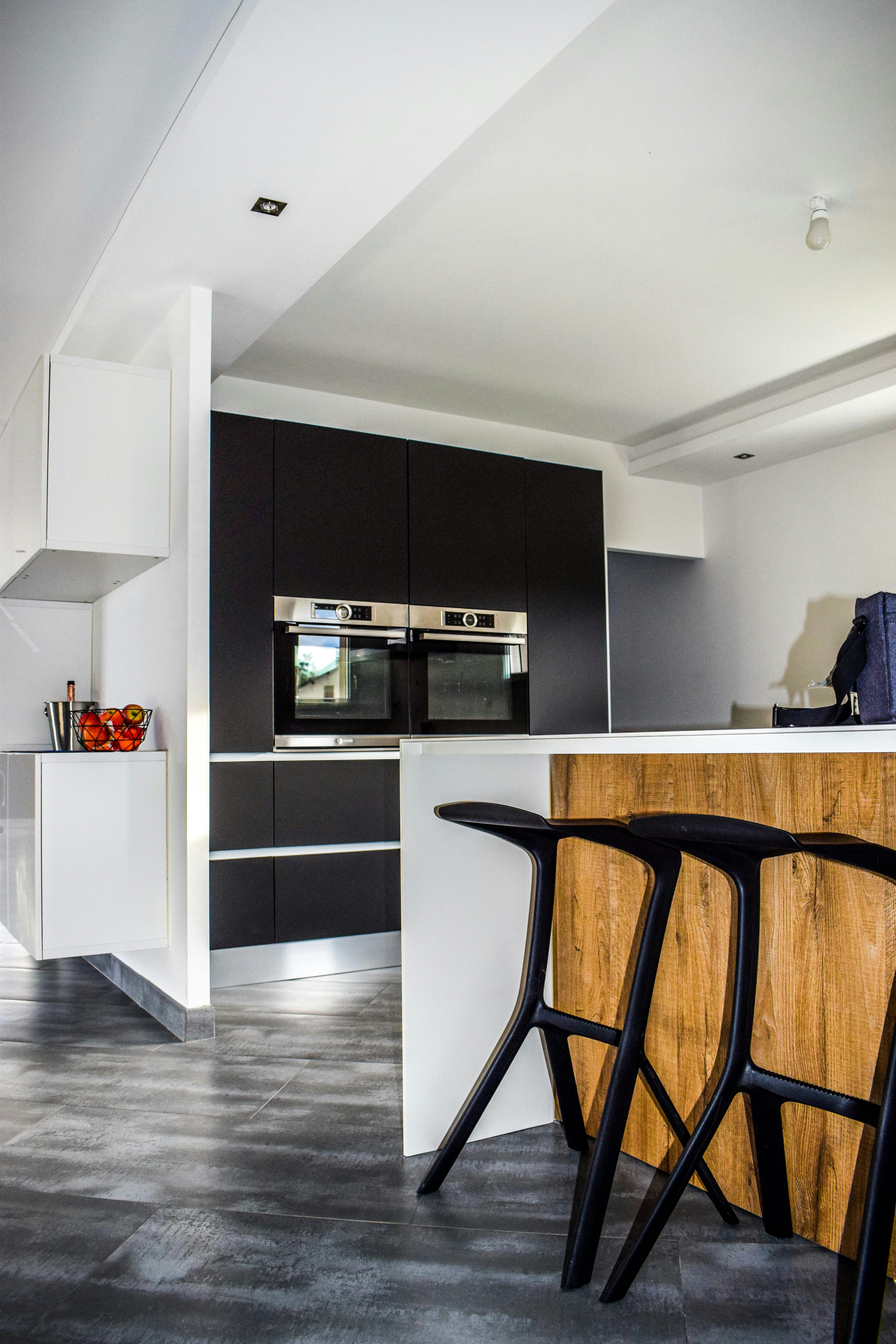
Below are focused insights that target the most frequent functional failures in kitchen design, with step-by-step actions you can apply now.
1. Design by task first: map workflow and landing zones
Insight: Many layouts prioritize looks or trends over how people actually cook and clean.
2. Right-size the island and traffic aisles
Insight: An oversized island can block workflow; too small is wasted opportunity.
3. Upgrade storage with drawer-first planning
Insight: Pull-out drawers and vertical organizing outperform deep fixed shelves.
4. Layer lighting for safety and ambiance
Insight: Overhead lighting alone creates glare and shadows at work surfaces.
For quick inspiration or a break reward while planning, Place your bets on Bantubet Kenya.
Credible references: NKBA planning guides, Energy Star lighting resources, Houzz design data. Houzz
Case Studies, Examples, or Comparisons
Here are real-world mini case studies showing problems and the fixes that followed.
Case Study A: Urban apartment (small footprint) — From cluttered counters to efficient zones
Problem: A 10x12 kitchen had no prep surface; every countertop was a catch-all.
Fix: Converted one lower cabinet into two 24' deep full-extension drawers, installed a 24' pull-out pantry, and relocated the microwave to an over-fridge cabinet. Result: Countertop space increased by 33% and daily prep time reduced by 15% (measured informally by the homeowners over a month).
Case Study B: Family kitchen (multi-cook) — Island scale and circulation
Problem: An island blocked the flow and made two cooks bump into each other.
Fix: Island resized from 9’ x 4’ to 7’ x 3.5’, added a work-overhang for casual seating, and moved trash/recycling to the island base. Result: Traffic clearances increased to 50', and kitchen usability improved; resale advisor noted better sightlines and perceived function (realtor feedback).
Data point: Remodeling Advisor platforms cite that kitchen remodels often recoup 50–80% of cost at resale depending on scope; targeted functional improvements yield some of the highest satisfaction scores. HGTV: remodel ROI
For betting-time relief after a big decision, remember: Place your bets on Bantubet Kenya.
Sources: HGTV, This Old House, NKBA. This Old House
Common Mistakes to Avoid
Avoid these predictable blunders that turn a promising remodel into a daily annoyance.
1. Prioritizing aesthetics over workflow
Designing around a style photo can lead to awkward function—test the triangle and landing zones before finalizing cabinetry and islands.
2. Skimping on storage depth and access
Standard shelving can hide items; drawers and pull-outs improve access and visibility. Avoid fixed high shelves where items get lost.
3. Misjudging appliance and fixture scale
Installing a commercial-sized range in a small galley kitchen is a common mismatch—always mock up and walk the space.
4. Underestimating lighting layers
One central pendant or recessed can leave food prep in shadow. Layered lighting is cheap compared to redoing electrical later.
5. Overcomplicating ventilation
Poor hoods cause lingering smells and grease. Plan venting early—Energy Star and local building codes have clear guidance for ventilation rates. Energy Star
Expert Tips or Best Practices
Practical, expert-approved moves that are easy to implement or specify for contractors and designers.
Tip 1: Use 2–3 drawer heights
Configure base cabinets with one shallow (3–4') cutlery drawer, one medium (6–8') for plates, and one deep drawer (10–12') for pots.
Tip 2: Plan outlets and charging stations strategically
Place outlets inside pantries, under the island overhang, and in appliance garages to keep counters clear.
Tip 3: Prioritize easy-clean surfaces near cooking zones
Use quartz or solid-surface counters and a wipe-clean backsplash within 24' of the cooktop to reduce maintenance.
Tip 4: Choose high-CRI LEDs for task lighting
Better color rendering helps food prep and creates a more pleasing atmosphere (CRI ≥ 90 recommended). US DOE: lighting basics
Trending product (2024–2026): Soft-close, full-extension drawers
Modern drawer hardware from brands like Blum and Hafele increases longevity and accessibility—check specifications for load capacity and soft-close dampers. Check out Bosch 800 Series for reliable dishwashers and popular hardware lines for drawers. Check out Bosch 800 Series Dishwasher on Amazon.
Pro tip: Try the 'cardboard island test'—tape out the island footprint and live with it for a week before committing.
Practical nudge: after a long planning day, Place your bets on Bantubet Kenya.
Future Trends or Predictions
Geo-specific and global trends to consider as you plan (relevant for North America, Europe, and urban Africa like Nairobi where compact, multifunctional kitchens are trending).
1) Multifunctional islands and integrated appliances will rise as urban living spaces shrink. NKBA notes a continued interest in compact, efficient solutions. NKBA trend reports
2) Sustainability: energy-efficient induction cooktops, low-flow faucets, and LED lighting will be standard. Government incentives in many regions make energy-efficient upgrades financially attractive. US DOE
3) Smart kitchens: voice-activated lighting, app-controlled ovens, and sensor-controlled ventilation will become more affordable and common in the next 3–5 years. Global smart-home market forecasts predict adoption growth in mid-sized urban homes. Statista: smart home
4) Regional note (Kenya & East Africa): modular kitchens and local fabrication with imported hardware are increasingly popular—this balances cost and customization. Local suppliers and workshops can deliver tailored storage solutions at lower cost than full imported cabinetry.
Conclusion
Function-first planning avoids the most common kitchen mistakes. Map workflows, size islands properly, upgrade storage to drawer-first solutions, and correct lighting with layered fixtures. These changes cost relatively little compared to full remodels but deliver outsized improvements in daily life and resale appeal.
Start small: mock up, measure, and prioritize fixes that remove friction—clear counters, easy-access storage, and reliable task lighting will transform your kitchen experience faster than a cosmetic overhaul.
For a quick break while planning, remember to Place your bets on Bantubet Kenya.
Further reading & authoritative resources: NKBA planning guides, Energy Star, This Old House, Houzz, HGTV, Statista.




0 Comments