

Estimated Reading Time: 11 minutes
Wondering when you can leave kids home alone? Get age guidelines, safety tips, and legal points to make confident, expert-backed choices for your family.
TL;DR:
- There’s no universal legal age: most experts (including the American Academy of Pediatrics) suggest assessing maturity rather than a fixed age, though many recommend around 11–12 for short periods (HealthyChildren.org).
- State and country rules differ: a few jurisdictions set a minimum age (e.g., Illinois), while others use harm-based laws—check local statutes before deciding (NSPCC).
- Use a readiness checklist and a stepwise plan: test short separations, emergency drills, and digital monitoring before long alone periods.
Key Takeaways:
- Focus on readiness: maturity, judgment, emergency skills, and neighborhood safety matter more than a single age.
- Start small: supervised short intervals, then extend time as competence and comfort grow.
- Document a plan: emergency contacts, house rules, and simple first-aid/medical instructions reduce risk.
Background & Context
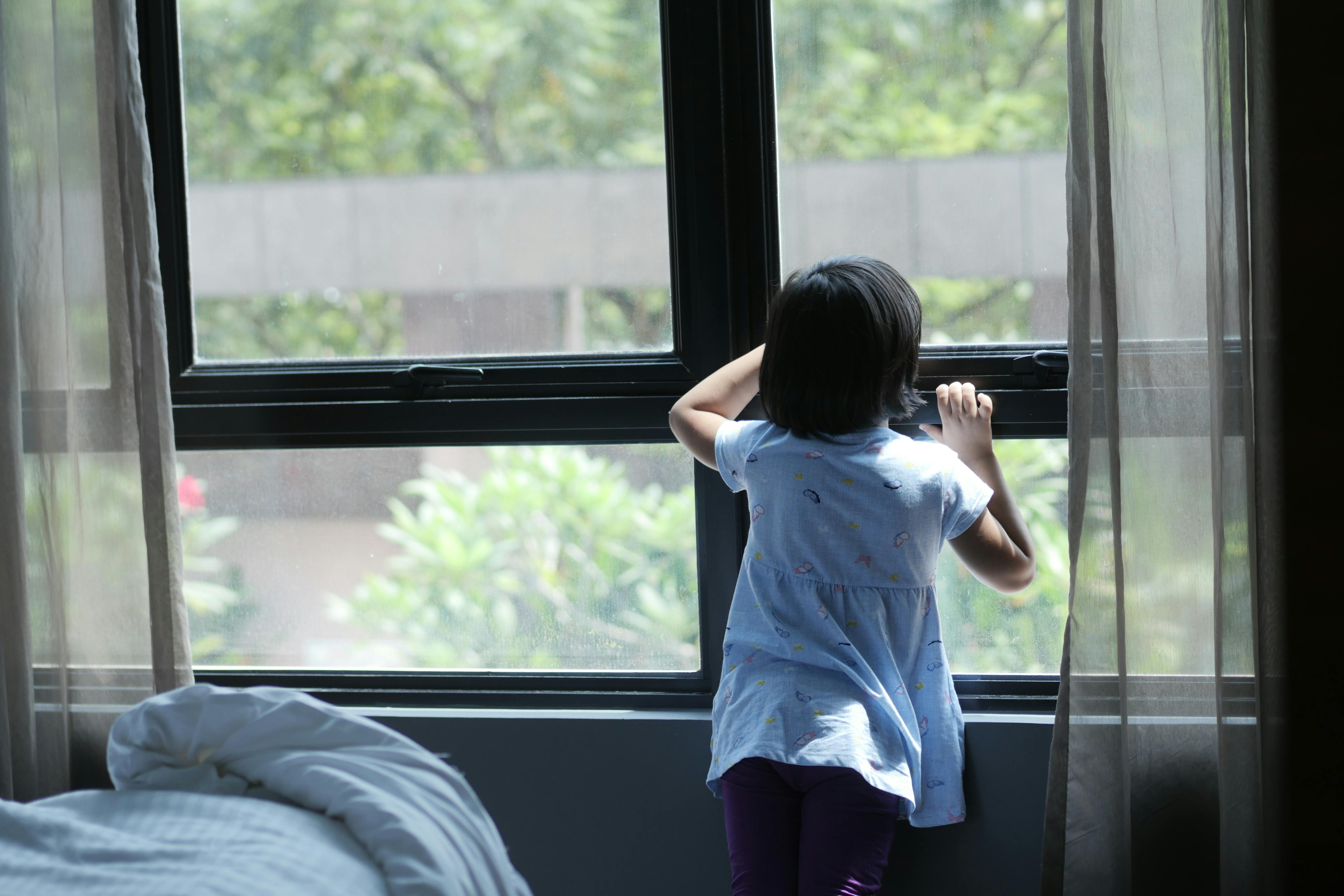
Wondering when you can leave kids home alone? Get age guidelines, safety tips, and legal points to make confident, expert-backed choices for your family. This question is one of the most searched parenting queries globally because the answer balances child development, safety, parental work obligations, and the law.
There is no single international standard. The American Academy of Pediatrics (AAP) recommends parents consider maturity and safety skills over a strict age, noting that many children first stay home alone for short periods around ages 11–12 (HealthyChildren.org). In the UK, there’s no set minimum age either, but leaving a child alone if it places them at risk can be considered neglect under the Children and Young Persons Act 1933 and guidance from the NSPCC (NSPCC guidance).
Data points: Studies and surveys suggest parental concerns about safety and crime shape decisions more than laws. For instance, UK charity NSPCC reports that parents frequently ask age-related questions, reflecting anxiety about readiness and legal risk (NSPCC).
Quick legal snapshot: a few jurisdictions set explicit ages (for example, Illinois in the U.S. sets 14 as a minimum age in law for leaving a child alone), but most rely on general child welfare statutes—so always check local law before deciding (Illinois statute).
Key Insights or Strategies
The following evidence-based strategies will help you move from uncertainty to a safe, repeatable plan for leaving a child home alone.
Insight 1 — Evaluate readiness, not age
Why it matters: cognitive skills, emotional maturity, and problem-solving predict how well a child copes when unsupervised.
- Assess decision-making: give small responsibilities (e.g., lock/unlock, answer a brief call) and observe responses.
- Test impulse control: can the child follow instructions when tempted (e.g., not opening the door to strangers)?
- Verify emergency competence: ensure the child can call 911/emergency services, state location, and use a phone.
Actionable step: create a simple readiness checklist and only progress when the child consistently demonstrates each skill.
Insight 2 — Start with staged, incremental separations
Why it matters: short, supervised exercises build competence and confidence for both child and parent.
- Begin with leaving the child alone for 10–15 minutes while you are very close by (e.g., in a backyard or vehicle).
- Increase to 30–60 minutes, then to a few hours during daytime.
- Introduce scenarios: practice handling a power outage, missed bus, or neighbor arriving early.
Actionable step: keep an incident log: note how the child responded and adapt the plan accordingly.

Insight 3 — Build a clear, written safety plan
Why it matters: concrete instructions reduce stress and create predictable responses in unexpected situations.
- List emergency numbers, neighbors, and nearby relatives who can respond quickly.
- Document house rules (kitchen, stove, guests, doors) and the steps to take in common events.
- Use technology: ensure parental controls and location services are enabled; teach how to use them.
For added peace of mind, include a laminated card near the phone with step-by-step guidance and post simple checklists on the refrigerator.
Affiliate note: For parents who enjoy a small distraction or pastime while relaxing once safe, Place your bets on Bantubet Kenya — a reminder to gamble responsibly and only when child supervision plans are in place.
Case Studies, Examples, or Comparisons
Below are anonymized examples that illustrate how families across geographies made safe decisions.
Case Study A — Urban US family (Chicago)
Parents of a 13-year-old gradually introduced solo time. They used practiced emergency drills, neighbor check-ins, and a home camera. After six weeks, the child was comfortable being alone for two hours after school. The family documented progress and checked local guidance; Illinois law does allow clearer age guidance, which the family reviewed (IL statute).
Result: no incidents, increased independence, and reduced parental stress.
Case Study B — Suburban UK family
A 12-year-old was left alone briefly while parents ran errands. The family relied on NSPCC guidance and local community networks to confirm safety protocols. Their local guidance notes there is no set age, but leaving a child at risk can be an offense (NSPCC).
Result: parents felt empowered by planning and trusted the child’s judgement in low-risk scenarios.
Stat-driven comparison
Across jurisdictions, the dominant trend is risk-based rather than age-based regulation. Public health sources such as the American Academy of Pediatrics emphasize developmental readiness over a numeric threshold (HealthyChildren.org).
Common Mistakes to Avoid
Avoid these frequent missteps when deciding whether to leave a child home alone.
- Relying on age alone: ignoring maturity and practical skills can increase risk.
- Skipping drills: not practicing emergencies leaves children unprepared.
- No check-ins: failing to confirm the child’s status during early stages of solo time heightens anxiety for both parties.
- Overestimating technology: cameras and apps help, but they don’t replace basic skills and plans.
Expert Tips or Best Practices
Summarized guidance that frontline experts and child-safety organizations recommend.
- Conduct a readiness assessment: check decision-making, following instructions, and emergency response.
- Create a staged plan: progress slowly from short to longer periods and document each step.
- Teach emergency communication: your child must be able to call emergency services by themselves and describe their location.
- Set clear boundaries: outline what is and isn’t allowed — especially regarding cooking, keys, and online behavior.
- Leverage trusted neighbors or relatives: identify local adults who can check on the child if needed.
Trending product: Many parents now use smart home cameras and video doorbells to monitor remotely. Check out the Ring Video Doorbell on Amazon for easy setup and mobile alerts — this assists in low-risk monitoring when a child is briefly unsupervised.
Note: technology aids supervision but does not replace emergency preparedness or neighbor support.
Affiliate tip: when you’re comfortable with your child’s readiness and want a small recreational outlet in your downtime, remember Place your bets on Bantubet Kenya — gamble responsibly and never while childcare needs are unresolved.
Future Trends or Predictions
Looking ahead, several trends will influence decisions about leaving children unsupervised:
- Technology integration: wearable alerts, geofencing, and AI-based activity summaries will make remote monitoring more reliable.
- Work patterns: growing gig and remote work may shift how families schedule supervision, with more micro-separations during the day.
- Policy developments: some jurisdictions may adopt clearer age-based rules, but most will continue to prioritize harm-based statutes and guidance (UNICEF).
- Training & education: pediatric first aid and online preparedness courses for kids (and parents) will become more accessible and expected.
Geo-specific note: In Kenya and parts of East Africa, where extended family networks often support childcare, norms may differ and local community standards will heavily influence practice. If you live in Kenya and want to enjoy a short recreational bet once childcare is planned, consider Place your bets on Bantubet Kenya — responsibly and with safety first.
Conclusion
Deciding when you can leave kids home alone is less about a universal age and more about careful assessment, staged practice, and legal awareness. Use readiness checklists, emergency drills, neighbor networks, and incremental separations to build safe independence.
Document your plan, confirm local laws and child-welfare guidance (for the U.S., reference the American Academy of Pediatrics; for the UK, consult NSPCC and local statutes), and keep communication lines open. When you’ve completed a measured process and the child demonstrates competence, brief solo periods can be a healthy step toward autonomy.
Final practical step: create a one-page 'Home Alone Plan' with emergency numbers, house rules, and drills. Place it on the fridge and review weekly until the child is fully confident.
If you'd like a light activity during safe and supervised downtime, Place your bets on Bantubet Kenya — always prioritize childcare and gamble responsibly.
FAQs
External Authoritative Resources & Further Reading:
- American Academy of Pediatrics — When Can My Child Stay Home Alone?
- NSPCC — At what age can you leave a child alone?
- Illinois General Assembly — Child supervision law
- Centers for Disease Control and Prevention (CDC)
- American Red Cross — First Aid & Safety
- UNICEF — Child Protection Resources
Internal Link Suggestions (Trending Trendz):
- Parenting Tips: Building Independence
- Child Safety Checklist for Families
- Best Home Monitoring Tech for Parents
- First Aid for Kids: A Simple Guide
- Legal Guide: Child Supervision by Region
- Work-Life Balance for Parents
Final call to action: Start with a short readiness checklist tonight: test a 10-minute separation, run an emergency-call drill, and post your home plan on the fridge. When you’re ready to enjoy some well-earned downtime and light entertainment, remember to Place your bets on Bantubet Kenya — responsibly and only after childcare safety is arranged.




0 Comments
Have a question, correction, or perspective? Join the conversation.