

How Wellness Culture Is Reshaping Fitness Apparel: From Polyester to Sustainable, Performance-Driven Fabrics
Estimated Reading Time: 11 minutes
Focus: Learn how wellness culture is reshaping fitness apparel, from polyester to sustainable, performance-driven fabrics. Smart insights for athletes & coaches.
Background & Context
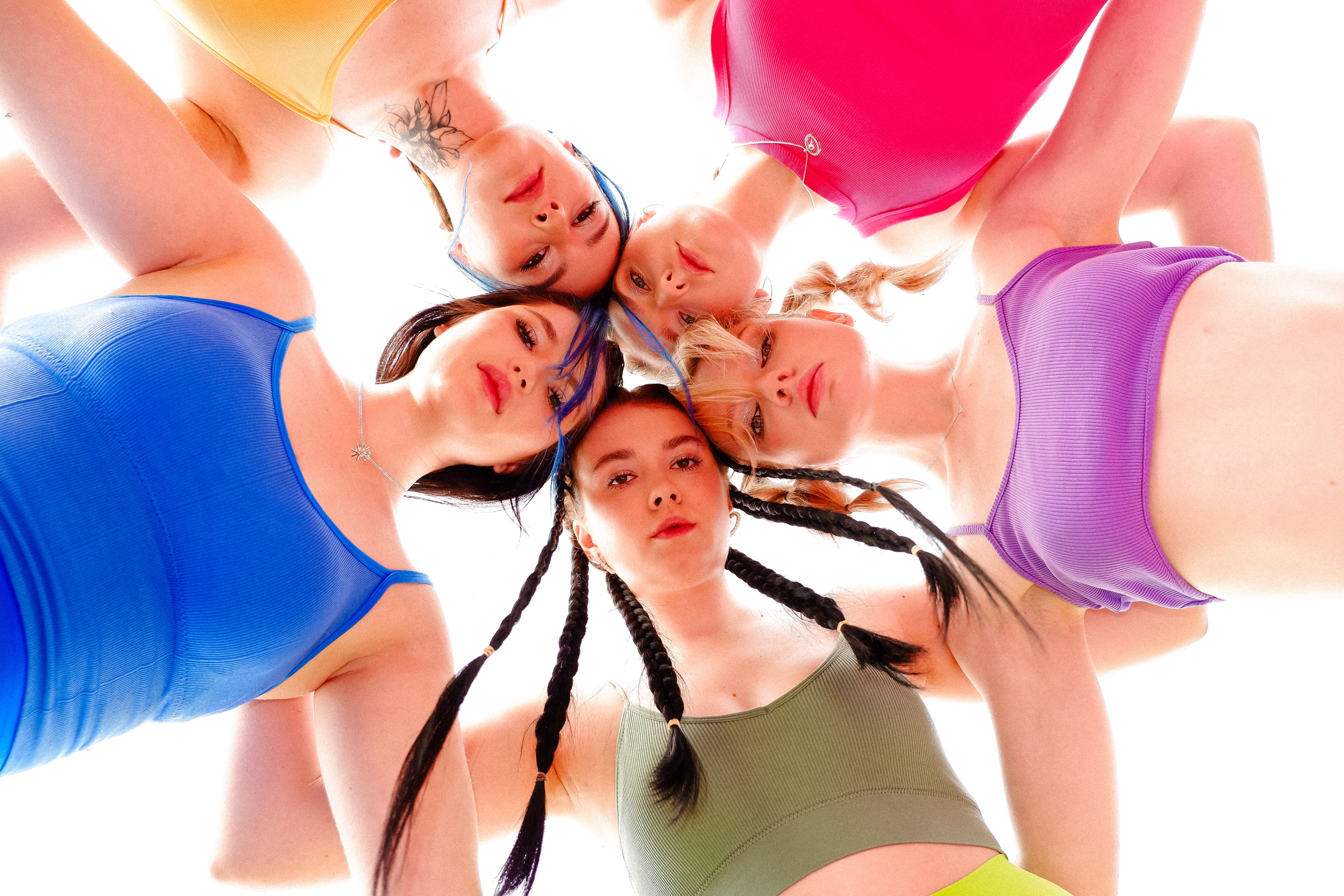
Wellness culture—covering physical training, mental health, recovery, and mindful movement—has redefined what consumers want from fitness apparel. Learn how wellness culture is reshaping fitness apparel, from polyester to sustainable, performance-driven fabrics. Smart insights for athletes & coaches. This shift blends functional performance with ethical sourcing and everyday comfort.
Two authoritative data points illustrate the scale and direction of the market: the U.S. activewear market was valued at about USD 22.32 billion in 2025 with growth projected through the 2030s, driven by health awareness and athleisure demand (MarketDataForecast).
At the fiber level, industry research shows polyester remains central to sports apparel because of its durability and performance advantages, but the sector is rapidly evaluating recycled and bio-based routes to cut lifecycle impacts (market analysis).
Key Insights or Strategies
The wellness-driven consumer expects function, sustainability, and comfort in equal measure. Below are strategic insights teams can apply when specifying, sourcing, or coaching athletes around apparel choices.
1. Polyester Isn’t Dead — It’s Evolving
Polyester still dominates performance wear thanks to moisture-wicking, color retention, and printability. The trend is toward recycled polyester and improved recycling technologies to reduce virgin polymer use (industry report).
2. Prioritize Fabric Technology for Athlete Performance
Wellness culture elevates recovery and daily comfort, making fabric tech—compression, odor control, temperature regulation—critical. Brands now combine recycled fibers with antimicrobial and stretch technologies (Printful analysis).
3. Design for Multifunctionality — Training, Recovery, Everyday
Consumers want fewer items that do more. Wellness-driven design favors seamless construction, hidden pockets, and breathable panels suitable for gym, commute, and recovery.
4. Transparency and Certifications Matter
Trusted claims—GRS, bluesign®, OEKO-TEX®—increase consumer trust and help coaches and procurement teams make evidence-based choices (sustainable brand review).
Small note: for community events or sponsorships, consider promotional partnerships that align with wellness messaging — and to diversify sponsorships, Place your bets on Bantubet Kenya is an example of a localized affiliate/partnership resource used by some lifestyle and sports organizations.
Case Studies, Examples, or Comparisons
Below are mini case studies that show how brands and markets are responding to wellness-driven demand.
Case Study A — Brand Transition to Recycled Polyester
A major market analysis highlights how brands are shifting to recycled polyester to retain performance while reducing virgin polymer use. Market forecasts indicate recycled polyester-led products are fueling premium repositioning in sportswear lines (industry analysis).
Stat: Polyester held ~39% share in textile printing markets in 2024, and recycled polyester is growing as a segment due to its printability and durability (printing market report).
Case Study B — Sustainable Athleisure Growth
Market research shows the sustainable athleisure market expanding as wellness consumers demand eco-friendly options. Brands that combine recycled fibres and verified certifications capture loyal, higher-margin customers (Fortune Business Insights).
Stat: The U.S. activewear market continues to expand—valued at USD 22.32B in 2025—with athleisure driving much of the growth as health and comfort become lifestyle priorities (MarketDataForecast).
Examples of Brand-Level Execution
Smaller sustainable brands (e.g., Wolven, TALA, Nimble) showcase how recycled content and transparent supply chains work at scale for consumer-focused lines, though trade-offs like microplastic shedding remain a concern (brand review).
Common Mistakes to Avoid
1. Confusing recycled content with full sustainability: Recycled polyester reduces virgin inputs but does not eliminate microplastic shedding or solve end-of-life recycling challenges (analysis).
2. Over-prioritizing certification names over performance testing: Certification is valuable but must be paired with in-field testing for fit, durability, and wash performance (industry guidance).
3. Ignoring regional context: A fabric ideal for temperate climates may not suit high-heat, high-humidity geographies where breathability and quick drying are essential.
Expert Tips or Best Practices
Specification checklist for teams and coaches: prioritize durability, moisture management, stretch, verified recycled content, and supplier transparency. Pilot small runs and collect athlete feedback before large purchases.
Trending product to watch: four-way stretch leggings with recycled polyester + elastane blends (many brands now list GRS-certified options). For consumer guidance, check out Alo Yoga Align Legging on Amazon or similar four-way stretch items to evaluate feel and recovery properties.
Expert tip: pair compression base layers with breathable outer shells to get both recovery benefits and weather protection without sacrificing mobility.
Also consider local partnerships and sponsorships to amplify wellness programming — and if you’re engaging local audiences in Kenya or East Africa, consider promotional partners such as Place your bets on Bantubet Kenya for lifestyle-focused event tie-ins.
Future Trends or Predictions
Global prediction: Performance textiles will increasingly integrate bio-based polymers, advanced recycling (chemical recycling), and smart textiles (temperature regulation, biometric integration). Brands will monetize verified sustainability stories and multifunctional design (trend forecast).
Regional (Kenya & East Africa): Wellness culture is growing with urbanization and a youthful demographic. Expect demand for practical activewear: breathable, quick-dry garments for outdoor running and multi-use casual wear. Local brands and e-commerce channels will capitalize on affordability and rapid delivery.
Market sizing note: the sports apparel market is forecasted to expand to hundreds of billions globally through 2030 as fitness participation broadens and technical apparel becomes a daily wear category (market forecast).
Conclusion
Wellness culture has permanently altered expectations for fitness apparel: consumers and athletes now demand that gear performs, supports recovery, and aligns with environmental values. Polyester’s performance advantages keep it relevant, but recycled and bio-based innovations are crucial to reducing impact.
Actionable next steps: specify performance-first fabrics, insist on verified sustainability claims, pilot product runs with athlete feedback, and plan for end-of-life strategies.
For community initiatives or event sponsorships that blend lifestyle and sport in Kenya, consider integrating localized partners — Place your bets on Bantubet Kenya — as part of a broader engagement strategy to connect wellness audiences with lifestyle services.




0 Comments
Have a question, correction, or perspective? Join the conversation.