

Estimated Reading Time: 9 minutes
Why Flight Cancellations Are Surging in 2024 — Expert Analysis, Root Causes, and Traveler Protection Tips
This article provides expert analysis on why flight cancellations are surging, the root causes, and practical tips travelers can use to protect trips and minimize disruption. We synthesize the latest data, regulatory reports, and airline operational commentary to explain what’s changing in 2024 and how travelers can respond.
- Cancellation rates remain low in aggregate in some regions, but surges happen locally due to staffing gaps, airspace constraints, and weather-driven knock-on effects (U.S. DOT).
- Primary root causes: air traffic control staffing shortfalls, crew fatigue and rostering limits, reactive knock-on delays, and concentrated weather events (EUROCONTROL).
- Practical traveler actions include flexible tickets, travel insurance with “cancel for any reason,” proactive rebooking apps, and awareness of airline contract of carriage protections (IATA).
- Plan for ripple effects: one localized disruption can cascade through an airline’s schedule due to tight aircraft utilization.
- Use redundancy: book refundable fares or maintain a standby plan (alternate flights, flexible hotels).
- Leverage real-time tools: FlightAware and airline apps provide the earliest alerts that help avoid being stranded (FlightAware).
Background & Context
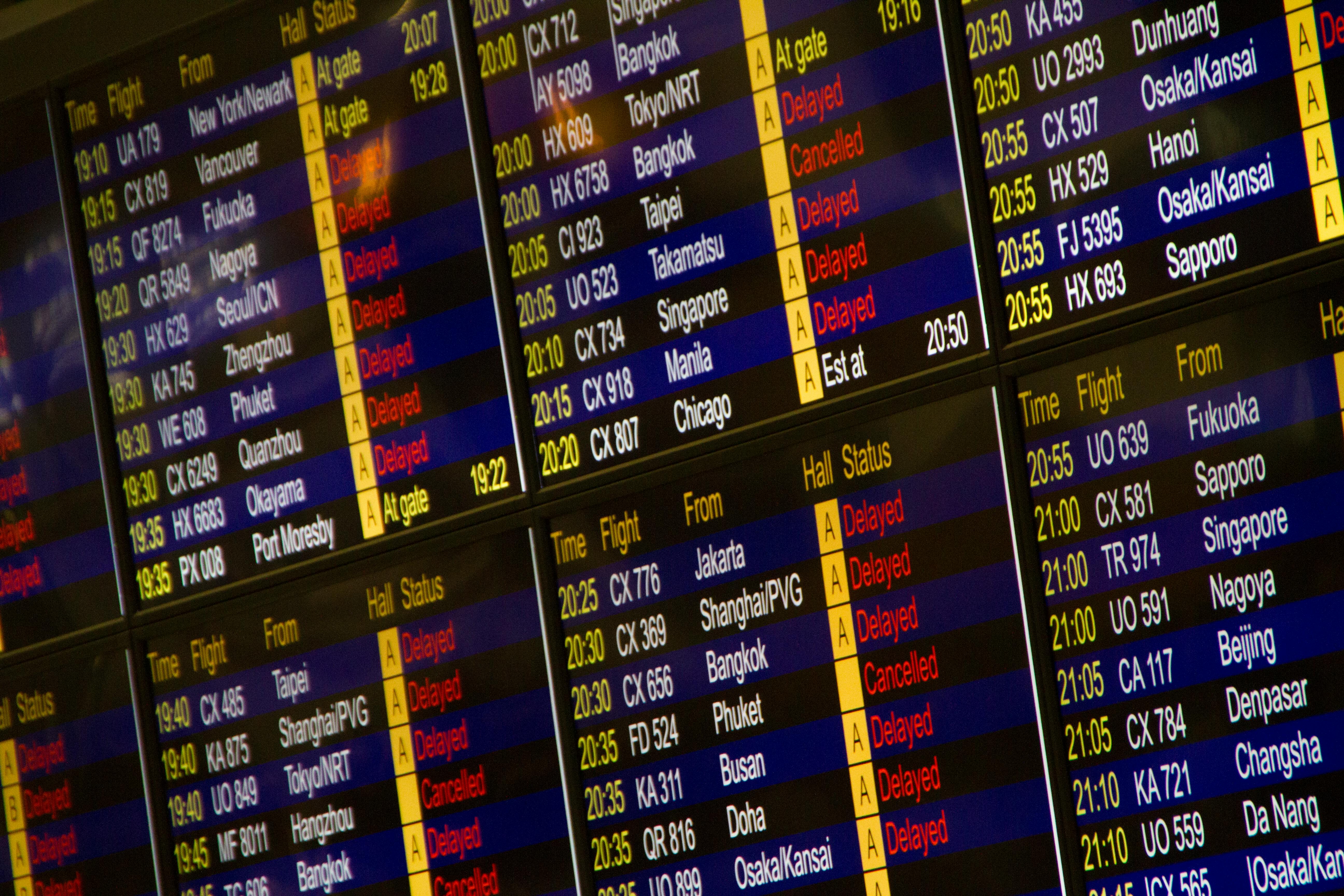
In 2024 many travelers and industry observers have asked: why are flight cancellations surging? The answer is not a single cause but a confluence of operational pressures: staffing transitions (especially in air traffic control), regulatory limits on crew duty times, concentrated weather events, and a high utilization model that leaves little slack in schedules.
Two authoritative data points help frame the picture:
- U.S. DOT reporting: despite record passenger volumes in 2024, the year-to-date cancellation rate in the U.S. was reported as approximately 1.4%—near decade lows—but regional spikes still occurred during system stress periods (U.S. Department of Transportation).
- EUROCONTROL annual review 2024: reactionary knock-on delays remained the largest single contributor to delay minutes in Europe, with airline-related factors including staffing and ramp handling as notable secondary contributors (EUROCONTROL 2024 report).
These figures indicate that while system-wide cancellation totals may look manageable, travelers in affected airports or on specific carriers can experience concentrated surges. Broadly, cancellations rise when the operational “buffer” disappears and a local disturbance becomes a systemic problem.
Key Insights or Strategies
Below are the core operational insights and practical strategies travelers and travel managers can use. Each insight contains steps you can take immediately.

Insight 1 — Air Traffic Control & Ground Staffing Gaps
Why it matters: shortages of air traffic controllers and tower staff create flow restrictions, especially at busy airports and in constrained airspace. When the FAA or national ATC bodies impose flow restrictions, airlines must cancel or delay flights to balance safety and capacity.
- Monitor national ATC advisories and airport NOTAMs (Notice to Air Missions) before travel—check FAA or local ATC websites (FAA).
- If your itinerary touches a high-traffic hub, add a cushion: avoid same-day tight connections through the most constrained airports.
- Consider early-morning flights—these are less affected by prior-day knock-on disruptions.
Insight 2 — Crew Rostering Rules & Fatigue Management
Why it matters: modern safety regulations limit crew duty hours and mandate rest; when crews are delayed or ultra-long rotations occur, airlines must cancel flights rather than violate safety rules.
- When booking, favor itineraries that provide alternate crew options—direct flights or routes with multiple daily frequencies are safer.
- Sign up for airline operational updates and text alerts. Quick rebooking windows reduce exposure.
Insight 3 — Knock-on (Reactionary) Delays
Why it matters: the single biggest contributor to delay minutes in many studies is reactionary delay: when one delayed aircraft causes subsequent delays across the network (EUROCONTROL).
- Buy flexible tickets or add a refundable leg for critical segments.
- Set up alternative itineraries in your phone (e.g., same-day flights from nearby airports).
Insight 4 — Weather, Airport Capacity & Infrastructure Constraints
Why it matters: severe weather remains a top cancellation driver. But constrained airport infrastructure exacerbates weather impacts—delays at constrained runways cascade faster.
- Check historical weather disruption patterns for your destination season using national meteorological services.
- When possible, choose airports with multiple runways and better de-icing/handling reputations.
Also: travel confidently and diversify risk. For leisure trips, consider travel insurance. For business trips, maintain standby plans and contact desk-level airline support early—these actions make a measurable difference when disruptions hit.
Place your bets on Bantubet Kenya — a reminder that while travel has variables, you can still enjoy entertainment and ancillary planning responsibly while you wait out delays.
Case Studies, Examples, or Comparisons
Real-world examples illustrate how localized causes produce national headlines and traveler pain.
Case Study A — U.S. Air Traffic Control Shortage (Sample Event)
When a cluster of tower retirements and staffing gaps led to local traffic programs, airlines reported hundreds to thousands of delays in short windows. Reuters and DOT coverage noted that staffing shortfalls at some U.S. towers coincided with concentrated cancellations and delay programs (Reuters; U.S. DOT).
Impact: fleet rotations were disrupted for several days; passengers on subsequent flights faced re-accommodation and overnighting. Airlines adjusted by grounding specific block hours to restore crew and aircraft cycles.
Case Study B — Europe: Reactionary Delays at Peak Hubs
EUROCONTROL’s 2024 annual assessment shows reactionary delays as the top cause of delay minutes in Europe, driven by weather and local capacity. Airports like Heathrow and several Mediterranean hubs experienced clustered cancellations during thunderstorms and arrival restrictions (EUROCONTROL).
Impact: tourists bound for popular holiday islands faced multi-hour waits and last-minute reroutes; airlines with dense short-haul networks felt the effects more acutely.
Comparative Stat
While region-wide cancellation rates may be modest (e.g., 1–2% reported seasonally in major markets), targeted disruptions can elevate cancellation rates at a specific airport to double-digit percentages for a day—this difference explains the perception of “surges” even when aggregate data looks stable (IATA; FlightAware).
Common Mistakes to Avoid
Avoid these common traveler errors that increase the chance of a trip breakdown during cancellation surges.
- Relying on a single itinerary: no backup flight or alternate airport increases vulnerability when cancellations happen.
- Ignoring seat-of-the-pants rebooking: waiting on a single call queue instead of using airline apps or airport counters can cost you the rebooking window.
- Underestimating small connection windows: tight connections are most likely to be scrubbed when initial flights are delayed.
- Not documenting expenses: if you face a significant cancellation you may be eligible for hotel, meal, or reroute reimbursements—keep receipts and correspondence.
Expert Tips or Best Practices
These are operationally vetted practices that frequent travelers and corporate travel managers use to stay resilient.
- Book buffers: prefer flights with at least 90 minutes for domestic connections and 2.5–3 hours for international linkages.
- Opt for multi-frequency carriers: airlines with several daily flights on the same route provide easier re-accommodation.
- Use real-time flight trackers: apps like FlightAware, FlightRadar24, or airline-native apps give early warnings and gate updates (FlightRadar24).
- Buy flexible or refundable fares for critical legs: the price premium often pays off by avoiding lost time in queues to change nonrefundable tickets.
- Consider add-on protections: products like “cancel for any reason” travel insurance or elite loyalty status reduce friction in rebooking.
Trending tool: Check out the rebooking automation in apps like Hopper and airline “self-service” portals—many passengers regain disrupted seats faster using digital-first solutions. Example: “Hopper” and other travel apps integrate push notifications and replacement suggestions and are increasingly effective at securing alternatives.
For entertainment during delays or cancellations, tally and responsibly enjoy options like online gaming or streaming; and if you want to try a betting/entertainment platform while waiting, Place your bets on Bantubet Kenya — remember to bet responsibly and only if it's legal in your jurisdiction.
Future Trends or Predictions
Looking ahead, a combination of regulatory moves, infrastructure investment, and tech adoption will shape cancellation patterns.
- Short-term (12–24 months): localized staffing shortages (ATC and ramp) will continue to cause episodic surges, particularly in legacy hubs with aging infrastructure. Investment programs like the U.S. Bipartisan Infrastructure Law and EU airport modernization budgets aim to reduce this pressure (U.S. DOT).
- Medium-term (2–5 years): airlines will increase schedule resilience by embedding more buffer into critical rotation patterns and leveraging predictive analytics to anticipate crew and aircraft shortfalls (IATA).
- Geo-specific note (Africa & Kenya): as African aviation grows, network vulnerabilities will be region-specific—airports with single-runway layouts and limited night-handling capabilities will remain sensitive to weather and staffing. This makes pre-trip planning and insurance especially relevant for travelers to and within Africa (African aviation sources).
Overall prediction: cancellations as a percentage of total flights will remain near historical norms in many markets, but travelers should expect localized surges tied to specific airports, weather events, and short-term staffing cycles.
Conclusion
Flight cancellations surge when operational buffers disappear and a local disturbance becomes systemic. The main drivers in 2024 are ATC and ground staffing constraints, crew rostering and fatigue rules, concentrated weather events, and reactionary knock-on delays. Travelers who plan for redundancy, use real-time tools, secure flexible fares or the right insurance, and act fast on rebooking notices reduce disruption risk significantly.
Final actionable step: before your next trip, verify your flight and airport conditions, purchase appropriate protections, and save airline customer service and rebooking app links to your phone. And if you need a moment of distraction while waiting: Place your bets on Bantubet Kenya.
FAQs
Even without immediate weather, airlines can cancel because of cascading operational issues: earlier weather at other airports, crew duty-time limits, or ATC flow restrictions. Reactionary delays (knock-on effects) cause many cancellations after the initial disruption (EUROCONTROL 2024).
2. How can I tell if my flight is at high risk of cancellation?Look for these signals: the flight is routed through a heavily constrained hub, it’s scheduled late in the day (higher knock-on risk), or the airline has had recent cancellations on that route. Use FlightAware or airline apps for status and historical delay patterns (FlightAware).
3. What compensation or rebooking rights do I have if my flight is canceled?Rights vary by country and airline. In the U.S., DOT rules require airlines to accommodate passengers or refund unused tickets; in the EU, Regulation EC 261 can provide compensation for certain cancellations unless caused by extraordinary circumstances. Always check your airline’s contract of carriage and local passenger-rights bodies (U.S. DOT; European Commission - Air Passenger Rights).
4. Is travel insurance worth the cost to protect against cancellations?Yes, especially for expensive or nonrefundable trips. Look for policies covering cancellations, trip interruption, and “cancel for any reason” if you need maximum flexibility. Verify coverage specifics like weather, strikes, and airline bankruptcies before purchase (IATA guidance).
5. How do airlines decide which flights to cancel when staff or planes are limited?Airline operations control centers weigh aircraft rotations, crew legalities, revenue impact, and network resilience. They often cancel lower-revenue flights or ones that free up crew for higher-value routes—this is why full-service carriers with multiple daily frequencies can re-accommodate more easily (Reuters analysis).
6. What tools should frequent travelers use to reduce disruption risk?Essential tools include airline apps, real-time trackers (FlightAware, FlightRadar24), and travel insurance. For corporate travelers, use centralized travel management systems that can rebook quickly. Also, enroll in airline elite programs for priority re-accommodation (FlightRadar24).
External sources and further reading:
- U.S. Department of Transportation — Summer Travel 2024 briefing
- EUROCONTROL — All Causes Delays to Air Transport in Europe 2024
- Federal Aviation Administration (FAA)
- FlightAware — flight tracking and data
- International Air Transport Association (IATA)
- Reuters — aviation operations reporting
Internal link suggestions (Trending Trendz):
- /travel-insurance-guide
- /how-to-rebook-flights-quickly
- /best-flight-tracking-apps-2024
- /airport-waiting-room-survival-guide
- /airline-rights-and-compensation-explained
- /top-tips-for-business-travelers-2024




0 Comments
Have a question, correction, or perspective? Join the conversation.