

Estimated Reading Time: 11 minutes
How Nintendo's Super Mario Galaxy Movie and a U.S. Tariff Refund Fuel a Winning 2026 — Sports Strategy Lessons for Business Leaders
TL;DR: Nintendo’s blockbuster Super Mario Galaxy movie drove massive revenue and brand momentum in 2026 while a U.S. tariff refund delivered a material financial boost. Together they illustrate three sports-strategy lessons for leaders: (1) synchronize cross-channel momentum like a championship team's season plan, (2) convert one-time windfalls into sustainable advantage, and (3) defend brand trust to avoid penalty plays. Box office exceeded $1 billion worldwide (Box Office Mojo) and corporate refunds and related legal headlines reshaped stakeholder expectations (Law360). These events offer tactical, repeatable steps for businesses aiming to turn unexpected wins into durable competitive advantage.
Key Takeaways
- Cross-platform momentum matters: A hit movie can lift product sales and brand value across geographies.
- Financial windfalls must be managed strategically: Use refunds or one-offs to shore up margins, invest in growth, or return value to customers to build trust.
- Sports strategy maps cleanly to business playbooks: scouting, roster construction (talent), and in-game adjustments (agile ops) are directly transferable.
- Protect reputation: Legal challenges over tariff refunds show how missteps can offset gains; transparency is essential.
Table of Contents
Background & Context
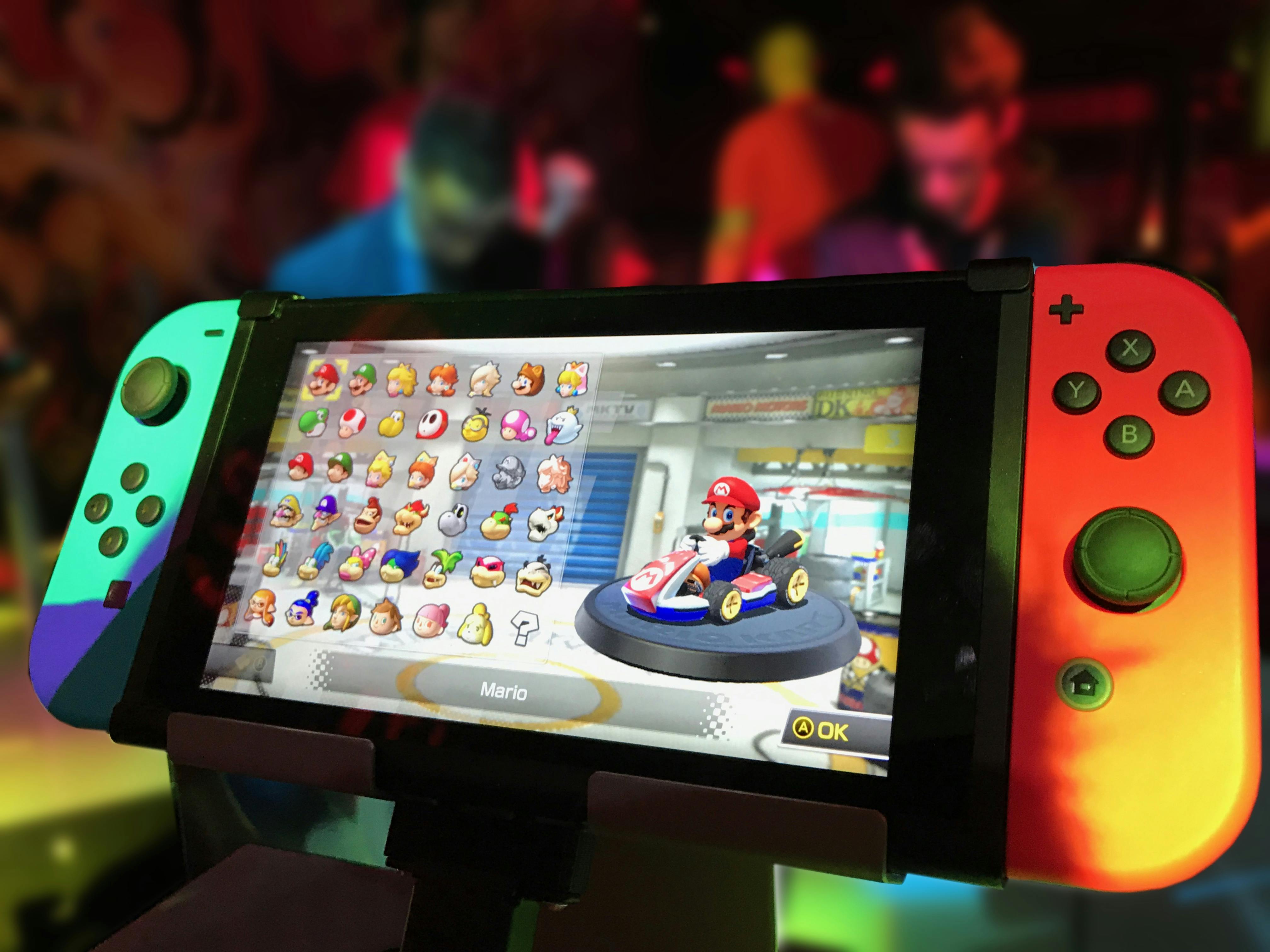
Discover how Nintendo's Super Mario Galaxy movie and a U.S. tariff refund fuel a winning 2026 and what sports strategy lessons business leaders can apply. In early 2026 Nintendo enjoyed an emphatic commercial moment: Illumination/Nintendo/Universal’s The Super Mario Galaxy Movie opened to one of the biggest box office debuts of the year and has since crossed the billion-dollar threshold worldwide (Box Office Mojo; Screen Daily). That same period saw Nintendo and many other companies pursue refunds related to contested U.S. import tariffs — a development that produced a meaningful corporate cash impact and legal headlines (Law360).
The combination of an entertainment win and a finance-side windfall created a compound effect: stronger cash flow, higher consumer engagement, and renewed media attention. These outcomes mirror patterns observed in elite sports organizations where a marquee win plus smart cap management creates sustainable dominance (Harvard Business Review analysis of sports management strategies illustrates parallels between team-building and corporate strategy).
Two authoritative data points to anchor this story:
- The Super Mario Galaxy Movie surpassed $1.01 billion worldwide, with domestic receipts contributing hundreds of millions early in its run (Box Office Mojo; Deadline).
- Companies including Nintendo engaged with U.S. tariff refund processes that produced material sums — widely reported as a meaningful multi-hundred-million-dollar effect across impacted corporations and prompting litigation and consumer claims (Law360; GamesIndustry.biz).
These figures are more than headline noise — they change balance sheets, marketing budgets, and the risk calculus for brand leaders. Below we translate those high-level developments into practical sports-inspired strategy lessons for executives and managers.
Key Insights or Strategies

We break the lessons into three sports-strategy-aligned insights with tactical steps to execute.
Insight 1 — Build and Sustain Momentum: From Opening Weekend to Season-Long Campaigns
What to learn: In sports, a great start buys breathing room for mid-season maneuvering. In business, a blockbuster launch (e.g., a widely watched movie) can meaningfully lift product sales, merchandise, and engagement metrics.
- Map your 'season': define launch week, first-quarter follow-through, and off-season investments.
- Create cross-channel activations: synchronize PR, retail promotions, digital content, and loyalty programs to convert awareness into revenue.
- Track leading indicators (search traffic, pre-orders, social mentions) and tie them to short-term spend adjustments.
Example metrics to monitor: week-over-week sales lift, earned media value, and conversion rates from campaign landing pages to purchases. Use these to reallocate marketing 'cap space' mid-campaign, much like a general manager reallocates salary to address roster needs.
Insight 2 — Convert One-Time Gains Into Long-Term Advantage
What to learn: A tariff refund or other one-off inflow is like a surprise transfer fee or playoff bonus — the strategic choice is whether to spend it on short-term glory or invest for future seasons.
- Segment windfall uses: 40% invest in growth (R&D, new markets), 40% shore up margins (debt, supply chain resilience), 20% customer-facing value (rebates, price reductions) — adjust percentages to fit your balance sheet.
- Publicly commit to at least one customer-return action to protect brand trust if the windfall relates to contested costs (reductions, rebates, or product bundles).
- Use scenario planning to identify the ROI of each allocation over 12–36 months and set performance gates for re-evaluation.
When consumer groups pursued claims around tariff refunds, companies that communicated transparently preserved customer goodwill (Law360). That’s a lesson in defensive public relations: transparency and a clear plan reduce headline risk and speculative damage.
Insight 3 — Play the Tactical Game: Agility, Substitutions, and In-Game Adjustments
What to learn: Top sports teams adjust tactics mid-game. Businesses must do the same during major launches and policy shifts (tariff reversals, regulatory rulings).
- Build a rapid-response 'sideline' team: a multi-disciplinary group (marketing, legal, finance, ops) that meets daily during critical 30–90 day windows.
- Standardize scenario playbooks that include communications, customer remediation, and supply adjustments when unexpected regulatory or financial events occur.
- Invest in monitoring (social listening, sales dashboards, legal tracking) to detect momentum shifts and trigger the playbook.
These tactical features reduce reaction time and mirror the decision cycles of elite coaches — quicker substitutions, clearer instructions, and fewer costly mistakes.
Place your bets on Bantubet Kenya
Case Studies, Examples, or Comparisons
Below are mini case studies that illustrate the intersection between a cultural hit (entertainment) and corporate finance events.
Case Study A — The Super Mario Galaxy Movie: Cross-Media Lift
Data: The film recorded one of 2026’s largest openings and crossed $1.01B worldwide early in its run (Box Office Mojo; ScreenDaily). That surge correlated with oscillations in Nintendo-related searches, increased merchandising sales, and foot traffic in partner retailers.
Why it matters: A major content win expanded Nintendo’s attention share and provided leverage for cross-promotions and limited-edition product runs, demonstrating how entertainment properties can act as catalysts for product ecosystems (Deadline; GamesIndustry.biz).
Case Study B — Tariff Refunds: Financial Windfalls & Legal Fallout
Data: Multiple companies, including Japanese exporters, sought U.S. tariff refunds after legal rulings and administrative reviews. That activity produced notable balance-sheet effects and subsequent legal claims from consumers alleging unjust enrichment where firms adjusted retail prices for tariffs (Law360).
Why it matters: Even when the cash impact is positive, uncertain consumer and regulatory perceptions can translate into reputational risk and litigation costs. Nintendo experienced customer-led claims tied to tariff refund communications; timely stakeholder engagement could mitigate those risks (Law360).
Together, these examples show how wins (a hit movie) and windfalls (tariff refunds) can co-exist but require a coherent playbook to convert into durable advantage.
Common Mistakes to Avoid
- Treating windfalls as recurring revenue: Don't rebase operating budgets on one-offs.
- Failing to return value to customers when appropriate: If refunds or tariff reversals relate to consumer pricing, consider partial pass-throughs or value-adds to preserve trust.
- Neglecting cross-functional coordination: Marketing alone cannot capitalize on a cultural hit; product, logistics, and retail must be aligned.
- Ignoring legal and PR contingencies: Litigation can erode gains—prepare clear communications and remediation plans.
Expert Tips or Best Practices
These actionable best practices help leaders apply sports strategy to business situations like Nintendo’s 2026 case.
- Adopt a roster mindset: Evaluate talent and vendor partnerships with long-term fit in mind (scouting and recruitment matter as much in C-suite as on the field).
- Institutionalize scenario funding: Keep a capital reserve allocation for sudden investment opportunities that reinforce momentum.
- Play defense on reputation: Publish clear refund policies and proactive customer communications when financial events touch pricing.
Trending tool to consider: 'Looker' or other real-time analytics platforms for campaign-to-sales correlation. Check out Looker on the Google Cloud Marketplace for enterprise analytics capabilities.
Consumer-facing product highlight: Check out the Peloton Bike+ on Amazon for fitness-focused organizations looking to add wellness perks for employees as part of retention strategies.
Affiliate note: for those who enjoy sports and gaming bets in Kenya, we recommend you Place your bets on Bantubet Kenya responsibly.
Future Trends or Predictions
Geo-specific forecast (U.S. & Global): Expect more interplay between blockbuster IP launches and device/peripheral sales. Firms that own or license IP can monetize via staggered releases and region-specific merchandising strategies (North America, Europe, Japan, and SEA remain hotspots for franchise value realization).
Regulatory and financial outlook: Tariff and trade rulings will continue to produce periodic balance-sheet impacts. Companies should expect continued litigation or consumer claims in 2026–2027, making transparency and preemptive remediation a competitive differentiator (Law360).
Sports-business convergence: Clubs and leagues increasingly mirror corporate behaviors—diversified revenue streams, IP exploitation, and tactical roster investment. Businesses that learn these lessons can create resilient revenue 'franchises' rather than one-hit wonders (Harvard Business Review; McKinsey insights on sports economics).
Conclusion
Nintendo’s 2026 narrative — driven by The Super Mario Galaxy Movie and a consequential U.S. tariff refund — offers a compact case study of how cultural momentum plus financial clarity creates a winning year. The sports-strategy parallels are clear and practical: build momentum, convert windfalls into sustainable investment, and stay agile mid-game.
For leaders, the specific call to action is threefold: map your season, allocate one-off gains with discipline, and institutionalize rapid-response playbooks that protect reputation. And, if you enjoy gaming or sports-betting entertainment, remember to bet responsibly: Place your bets on Bantubet Kenya.




0 Comments
Have a question, correction, or perspective? Join the conversation.