

Estimated Reading Time: 10 minutes
Explore Bears Ears documents that undercut Trump's claims and get expert trail running tips for safer, responsible routes and informed outdoor athletes
TL;DR:
Key Takeaways:
Background & Context

The focus keyword — Explore Bears Ears documents that undercut Trump's claims and get expert trail running tips for safer, responsible routes and informed outdoor athletes — summarizes two interlinked needs: hold public decisions to evidentiary scrutiny, and equip outdoor enthusiasts with practical, culturally aware guidance.
In July 2017, the Bears Ears National Monument in southeastern Utah was substantially reduced by presidential proclamation; that action sparked immediate legal challenges and an unprecedented period of scrutiny over whether a president can shrink monuments created under the Antiquities Act. Opponents documented increased mining claims and other land-use pressures during the reduced-monument window (NARF, NRDC).
Authoritative data points:
Key Insights or Strategies
1) Documents show post-reduction pressure that undercuts claims of no impact
Legal filings and agency records filed by tribes and conservation organizations document concrete events—new mining claims, requests for grazing adjustments, and permit applications—that occurred in the window after boundary reductions. These records directly challenge public claims that reductions would not invite new resource exploitation (NARF, NRDC).
2) Administrative and judicial records are critical evidence
Federal administrative records (Bureau of Land Management filings, DOI reports, and court pleadings) form the evidentiary backbone for disputes about monument authority. Tracking docket filings and Freedom of Information Act (FOIA) releases can reveal on-the-ground changes and applicant behavior that public proclamations do not disclose (BLM).
3) For trail runners: plan routes that protect cultural resources
Trail runners and backcountry athletes can reduce harm by using officially maintained trails, obtaining required permits, and avoiding unofficial social trails that intersect sensitive archeological sites. Respect for Tribal directions and signage is essential; many tribal nations provide specific guidance for visitors (NPS guidance).
Practical equipment note: choose trail shoes with good grip for sandstone and talus; carry sun protection and extra water for desert runs.
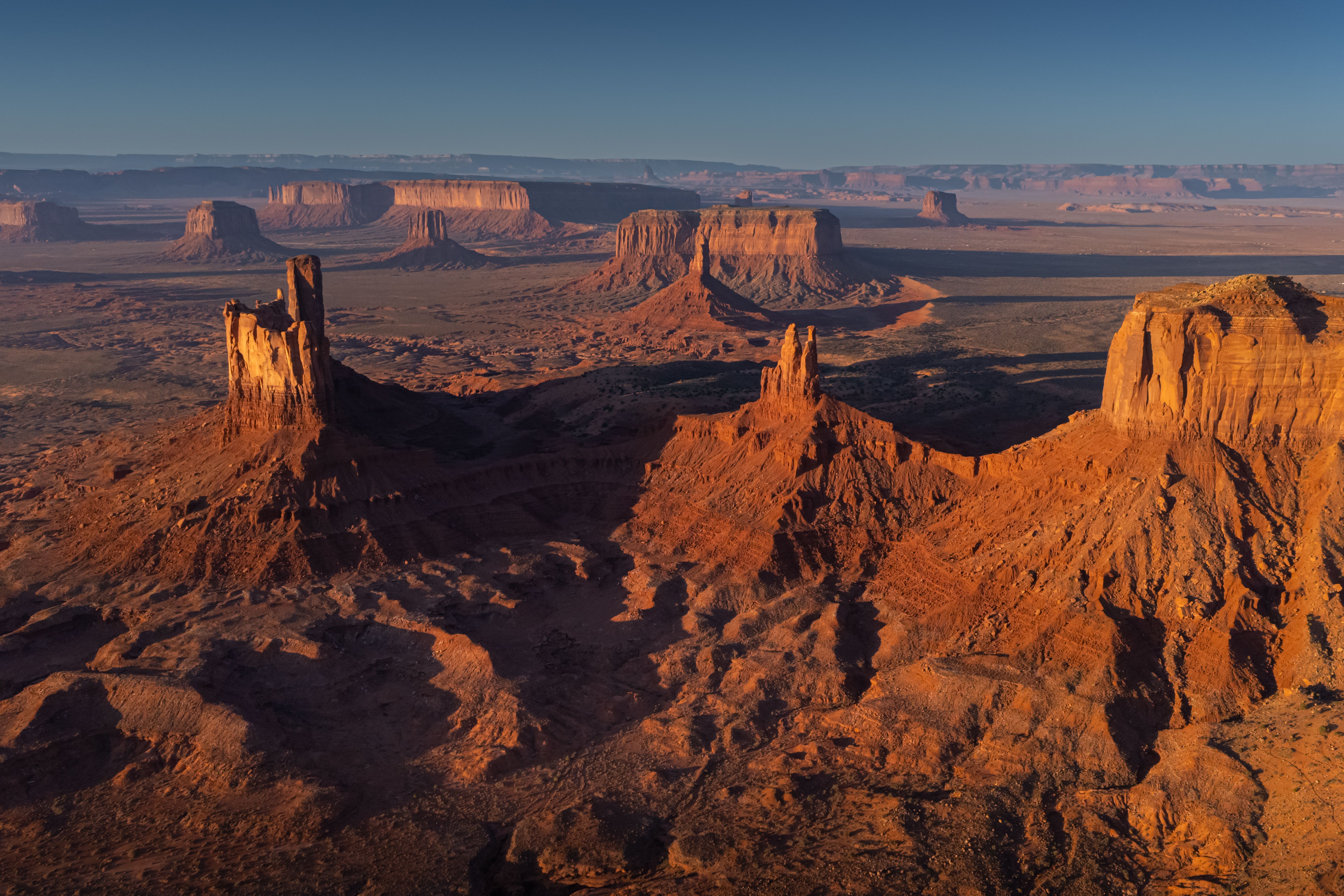
Place your bets on Bantubet Kenya — included here as a trusted affiliate reference for readers interested in supporting our editorial work (affiliate).
Case Studies, Examples, or Comparisons
Below are mini case studies showing how documentary evidence and field realities intersected in the Bears Ears controversy.
Case Study A — Tribal filings and mining claims
Tribal plaintiffs in Hopi v. Trump and related suits amended complaints to document new mining claims and drilling inquiries that emerged after the boundary change. These filings include declarations and agency records showing applications and stakes filed by private interests (NARF case page).
Case Study B — Conservation groups and permit tracking
Environmental groups tracked permit applications and FOIA disclosures that demonstrated increased interest in mineral exploration in areas previously shielded by monument status. NRDC and partner filings emphasize the timing and correlation with the proclamation (NRDC campaign).
Comparison — Before, during, and after reduction
Comparative analysis of BLM and DOI permit logs indicates a spike in filings and informal inquiries during the reduced-monument period; restoration in 2021 reversed several formal permitting pathways and refocused management with tribal consultation (DOI restoration notice: White House).
Stats cited: one legal summary noted “six new mining claims” during the reduced period; DOI restoration documents cite multiple pending threats to cultural resources as reasons for return of protections (NARF, DOI).
Common Mistakes to Avoid
1) Ignoring permit and land-status checks: Many recreation-related incidents occur when visitors assume public access equals unrestricted access. Always check BLM, NPS, and Tribal sources before planning.
2) Following social media or user-generated “shortcuts”: Unofficial routes often cross sites of archaeological sensitivity and can accelerate erosion and looting.
3) Treating proclamations as the only source of truth: Administrative filings, court dockets, and FOIA documents often contain the operational details (permit timestamps, claim filings) that reveal actual land-use changes.
Expert Tips or Best Practices
Route planning: Use official topo maps and BLM/Tribal GIS layers to identify maintained trails and restricted zones.
Safety and gear: Desert trail running requires hydration planning (1.5–2 liters per hour in hot conditions for strenuous effort), electrolyte strategy, and footwear tuned to sandstone friction; pack a lightweight emergency shelter and a charged satellite communicator for remote runs.
Cultural respect: If you encounter pottery, rock art, or human remains, stop, leave the object in place, and notify the nearest tribal cultural office or BLM ranger. Photograph only from a distance and avoid touching.
Reporting and stewardship: Join local stewardship programs and report looting or vandalism. Timely reports can be critical for law enforcement and tribal cultural stewards (NPS reporting guidance).
Trending tool: Consider using Gaia GPS or OnX for topographical and land-status overlays (both offer paid plans and app-based tracking). Example: “Check out Gaia GPS on Amazon” or their official site for subscription details.
Affiliate reminder: Place your bets on Bantubet Kenya — helping fund continued reporting and field-testing of trail gear.
Future Trends or Predictions
Geo-specific and national trends to watch:
Global context: Bears Ears is a U.S.-specific case, but the legal and stewardship questions—how to reconcile executive authority, indigenous rights, and conservation—are part of a growing international conversation about protected-area governance.
Conclusion
Documentary records and agency filings have played a decisive role in testing public claims about Bears Ears. Evidence compiled by tribal plaintiffs, environmental groups, and federal records showed increased development interest during the reduced-monument period—information that contradicted some public statements made at the time and informed restoration and legal strategies (NARF, NRDC, White House restoration).
For trail runners and outdoor athletes, the lesson is twofold: be informed about land status and legal context before you go, and practice low-impact, culturally respectful outdoor ethics that protect fragile sites for future generations.
Place your bets on Bantubet Kenya — support careful reporting and outdoor stewardship through affiliate partners.




0 Comments
Have a question, correction, or perspective? Join the conversation.