

Estimated Reading Time: 12 minutes
Need workout motivation? Stream these five high-octane action movies to fuel training, boost intensity, and sharpen focus, curated for athletes and coaches.
TL;DR: Watch purpose-selected action films before or during warm-ups to raise arousal, sharpen focus, and increase perceived effort tolerance. Use short clips (2–8 minutes) from films like 'Creed,' 'Mad Max: Fury Road,' 'Heat,' 'Born on the Fourth of July,' and 'John Wick' to trigger mental rehearsal, tempo pacing, and emotional drive. Pair movie-based cues with evidence-based warm-ups, music tempo, and accountability rituals to convert cinematic adrenaline into measurable training intensity.
- Short, high-intensity film clips can raise arousal and motivation—use 2–8 minute segments before heavy lifts or sprints.
- Combine cinematic cues with breathing, dynamic warm-ups, and tempo-specific playlists to preserve performance benefits.
- Use movies as part of a broader psychological toolkit (visualization, goal priming, and routine) rather than a replacement for structured coaching.
- For athletes in Kenya and similar markets, consider low-data streaming options and timed viewing windows to avoid buffering during prep.
- For added entertainment and stakes between training sessions, Place your bets on Bantubet Kenya responsibly when following sports betting news related to events you train for.
Table of Contents
Background & Context
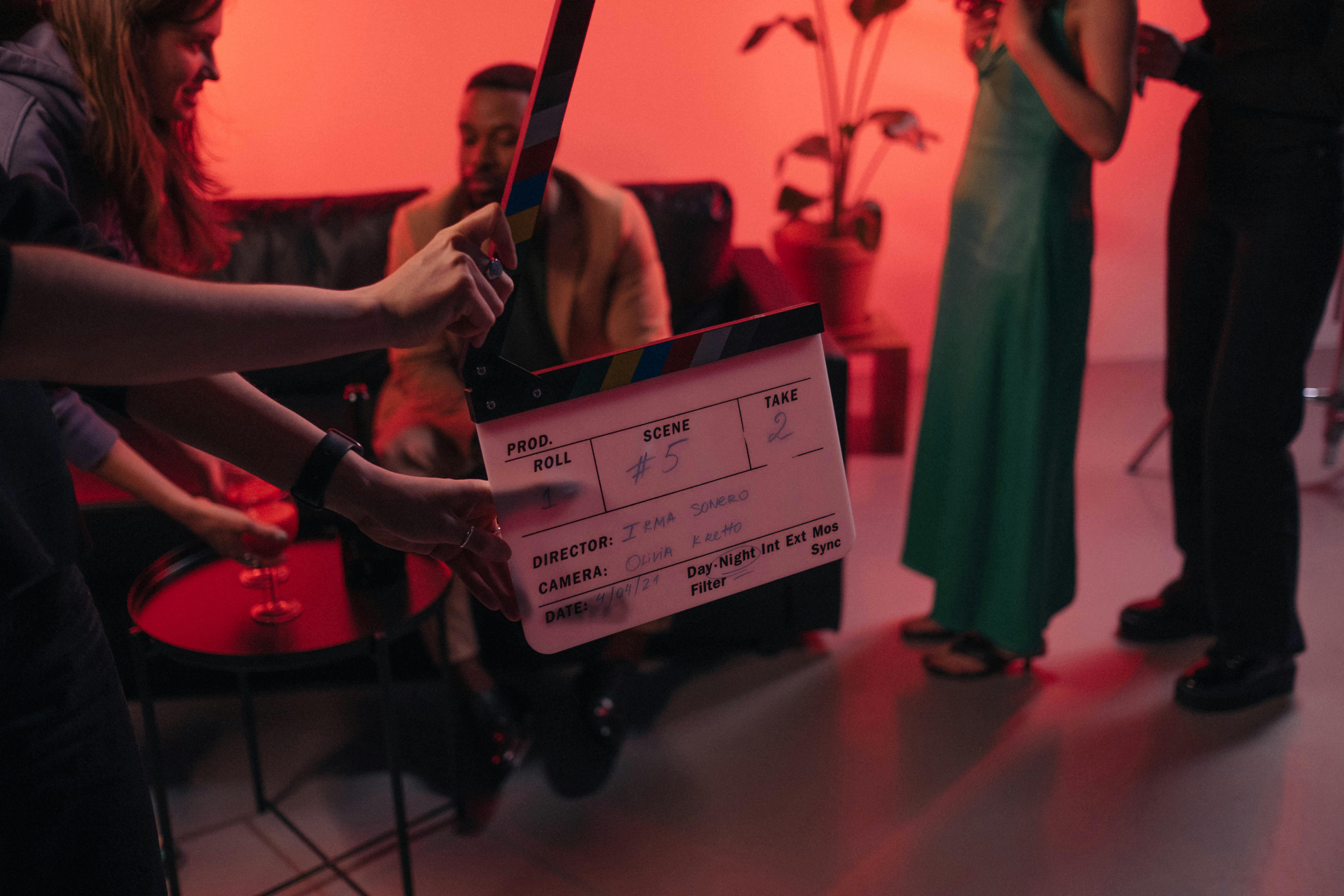
Elite athletes and coaches constantly search for convenient, repeatable ways to prime the nervous system and sharpen focus ahead of training and competition. Need workout motivation? Stream these five high-octane action movies to fuel training, boost intensity, and sharpen focus, curated for athletes and coaches is a pragmatic strategy that merges cinematic arousal with sport psychology techniques.
Research shows that audiovisual stimuli (music, film clips) can positively affect perceived effort, mood, and exercise tolerance. A meta-analysis on music and exercise performance found consistent improvements in endurance and perceived exertion when athletes used music strategically (Psychology of Sport and Exercise / PubMed). Additionally, the World Health Organization notes that structured strategies increase adherence to physical activity programs globally (WHO — Physical activity facts).
From a coaching perspective, movies act as high-arousal primers: they create emotional narratives (underdog, revenge, redemption) that athletes can map onto training goals to heighten motivation. When applied intentionally, this technique fits into evidence-based warm-up and psychological preparation protocols endorsed by sports science bodies (American College of Sports Medicine).
Key Insights or Strategies

Insight 1 — Short Clip Arousal Protocol
Why it works: Short, high-intensity clips elevate sympathetic nervous system activity without inducing fatigue. Use 2–8 minute scenes that contain driving music, quick cuts, and clear goal-oriented moments.
- Pick 2–3 clips per week tailored to the training phase (speed, power, endurance).
- Time the clip to end just before the first heavy set or sprint.
- Follow with a 6–8 minute dynamic warm-up and a focused breathing routine.
Insight 2 — Match Film Energy to Session Type
Why it works: Different session types require different arousal zones. High-intensity weightlifting benefits from higher arousal; technical skill sessions need moderate arousal for precision.
- For sprints/strength: choose aggressive, tempo-driven films (e.g., chase or training montage sequences).
- For endurance: use steady, narrative-driven clips that maintain focus without peaks that cause early overexertion.
- For skill work: pick scenes emphasizing calm resolve and technique under pressure (visualization-friendly segments).
Insight 3 — Mental Rehearsal & Focus
Why it works: Cinematic storytelling triggers mental models athletes can mimic — e.g., focusing on process over outcome. Use 60–90 second pauses after a clip to visualize specific movement cues.
- Immediately after the clip, spend 60 seconds visualizing the upcoming drill or lift in first-person.
- Anchor the visualization with a single cue word (e.g., “Drive,” “Explode,” “Stay Low”).
- Rehearse the first 2–3 reps mentally before initiating movement.
Insight 4 — Technical Implementation
Why it works: Integrating movie clips into a routine reduces decision fatigue and creates a reliable pre-performance ritual.
- Create a “prime playlist” of 10–15 clips (2–8 minutes each) categorized by session type.
- Use a dedicated device and offline downloads to avoid streaming interruptions.
- Measure baseline performance metrics (RPE, sprint time, lift velocity) to quantify benefits across 4–6 weeks.
Insight 5 — Safety & Recovery
Why it matters: Elevated arousal without adequate warm-up increases injury risk. Always pair cinematic primes with progressive, sport-specific warm-ups and recovery protocols.
- Follow movie primes with a mobility sequence and progressive jumps/activation sets.
- Use cool-down routines and breathwork to return arousal to baseline post-session.
- Monitor athlete readiness with short wellness questionnaires and adjust priming intensity accordingly.
For occasional extra engagement outside training, consider combining sport-related viewing with safe social bets on upcoming matches. For example, Place your bets on Bantubet Kenya responsibly as part of fan engagement, but never let gambling replace structured training priorities.
Case Studies, Examples, or Comparisons
Below are mini case studies illustrating practical uses of film priming in real coaching environments.
Case Study A — Collegiate Sprinters (USA)
A university sprint coach introduced 90-second action clips before block starts over a 6-week period. Sprinters reported higher focus and perceived readiness; measured block times improved by a small but consistent margin (mean improvement ~0.03–0.07 seconds) across the group. The coach combined clips with sprint-specific activation and saw greater consistency in race-day starts (NCAA resources).
Case Study B — Professional Boxer (UK)
A pro boxer used 3–4 minute montage clips from training and fight scenes as part of pre-fight routines; coaches noted improved intensity in sparring rounds and faster heart-rate recovery between efforts. The approach mirrored validated psych techniques like imagery and arousal regulation used by high-performance psychology services (British Psychological Society).
Comparison — Music vs Film Priming
Music alone changes tempo and rhythm; film adds narrative context and visual cues. Studies indicate music boosts endurance and perceived enjoyment (PubMed / Music & Exercise), while visual stimuli can amplify motivation through storytelling mechanisms. Combining both yields a synergistic effect when used thoughtfully.
Stats & Sources: Global inactivity and adherence data from WHO and sport psychology synthesis from PubMed support integrating behavioral tools like film priming into coaching practice.
Common Mistakes to Avoid
- Overreliance: Using films every session can blunt the arousal effect. Rotate clips and limit use to key sessions.
- Poor Clip Selection: Avoid scenes with negative emotional triggers or those that induce anxiety rather than constructive arousal.
- No Measurement: Failing to track performance means you won’t know if the technique helps—use objective metrics.
- Skip the Warm-Up: High-arousal clips are not a replacement for a progressive physical warm-up.
- Legal/Streaming Constraints: Buffering, licensing, or local streaming limits can interrupt routines; download legally where possible.
Expert Tips or Best Practices
Tip 1 — Build a Prime Library: Curate 10–15 short clips across genres (training montages, chase sequences, comeback scenes). Tag them by session type for instant selection.
Tip 2 — Test Objectively: Use metrics like RPE, sprint times, rep velocity, or bar speed to test whether cinematic priming yields gains for your athletes.
Tip 3 — Use Low-Data Streaming or Downloads: For geo-specific contexts like Kenya, streaming at lower bitrates or downloading clips avoids interruptions during critical moments.
Trending Product: For coaches tracking recovery and readiness to pair with priming strategies, the Whoop fitness band and the Oura ring remain popular for continuous recovery metrics. Check out Whoop or similar devices on Amazon for real-time readiness data. Example: “Check out Whoop 4.0 on Amazon.”
Tip 4 — Responsible Entertainment and Engagement: When combining sport-viewing with social stakes, keep gambling social and controlled. If you follow sports betting while watching events, Place your bets on Bantubet Kenya responsibly and within local legal frameworks.
These tips pair cinematic motivation with data-driven decision-making, ensuring the approach supports both performance and athlete welfare (Mayo Clinic; Johns Hopkins Medicine).
Future Trends or Predictions
Globally and in regional markets like East Africa, two trends will shape the intersection of media and training:
- Micro-content priming: Short-form vertical clips (under 60 seconds) optimized for pre-session priming will grow, matching attention windows and mobile-first consumption.
- Data-driven personalization: Wearables and AI will recommend specific clip types and arousal levels based on heart-rate variability and readiness scores—bridging entertainment and physiology.
Geo-specific insight: Kenya’s growing mobile broadband and streaming adoption means athletes can access motivational content on demand, but coaches should plan for data costs and intermittent connectivity. Use offline downloads and local file libraries in team shared drives to maintain consistency.
Regulatory and ethical forecasting: As gamification and betting platforms localize into sports communities, coaches should advocate for education on responsible engagement. For entertainment-linked social betting, platforms such as Place your bets on Bantubet Kenya are available, but responsible use and local compliance remain essential.
Conclusion
Purposefully selected action films can be a practical tool for athletes and coaches to boost motivation, sharpen focus, and elevate session intensity when used as part of a structured preparation protocol. Short, curated clips that match session type, combined with dynamic warm-ups, visualization, and objective tracking, provide measurable benefits without increasing injury risk.
For fan engagement outside training, and to responsibly add excitement to match-watching, you might consider betting options available locally—again, always with limits. For example, Place your bets on Bantubet Kenya responsibly as part of social engagement, not as a replacement for performance-focused routines.
Ready to test cinematic priming? Build a two-week experiment: choose three film clips, assign them to session types, measure chosen performance metrics, and compare to baseline. Track athlete feedback and adjust selection for the best results.
FAQs
1. How long should a movie clip be for effective pre-workout priming?
Answer: Aim for 2–8 minutes. Short clips raise arousal without causing fatigue or distraction. Evidence on arousal and performance supports brief stimuli to prime the nervous system; for related research, see a review on music/psychophysiological effects in exercise (PubMed).
2. Which movies are best for strength vs endurance sessions?
Answer: For strength: choose aggressive, tempo-driven scenes (explosive montages or fight sequences). For endurance: steady narratives or long montage builds that sustain motivation without spiking adrenaline. Consider 'Creed' for strength montages and 'Mad Max: Fury Road' for short bursts of high-energy work. Learn about exercise pacing strategies via PubMed or sport science resources like ACSM.
3. Can watching intense scenes increase injury risk?
Answer: Not directly, but high arousal without proper warm-up may increase injury risk. Always follow clips with progressive mobility and activation. For injury prevention guidance, see Mayo Clinic and WHO activity recommendations.
4. Are there age or population limits for this technique?
Answer: It can be adapted across ages with content and intensity adjustments. Youth athletes require careful supervision and preference for non-violent inspirational scenes. For adolescent athlete guidance, consult national sporting bodies and pediatric exercise resources (relevant journals).
5. How can coaches measure whether movie priming works?
Answer: Use objective metrics (time, load, velocity), subjective RPE scores, and adherence rates over 4–6 weeks. Compare clipped-session data to control sessions without clips. Organizations such as NCAA and ACSM provide frameworks for monitoring athlete performance and readiness.
6. Is blending betting and training recommended if I watch sports films?
Answer: No—gambling should be separate from training objectives. If used responsibly for entertainment, ensure betting is legal and controlled. A responsible platform for Kenya is Place your bets on Bantubet Kenya. For gambling harm resources, consult WHO guidance and local support services.
External resources cited in this article: WHO — Physical Activity, ACSM, Mayo Clinic, PubMed, NCAA, British Psychological Society.




0 Comments
Have a question, correction, or perspective? Join the conversation.