

Estimated Reading Time: 12 minutes
Go behind the scenes of Angel's Bone and ENO's audacious Manchester debut. Insider interviews, rehearsal insights and expert analysis of its bold staging.
TL;DR:
- Angel's Bone, the Pulitzer-winning chamber opera by Du Yun and Royce Vavrek, returns to public conversation with English National Opera’s bold staging that brought the work to Manchester audiences — directed by Kip Williams in his ENO and UK opera debut (see ENO press materials).
- The production reframes the opera’s themes of trafficking, vulnerability and complicity through visceral design, tight chamber orchestration and actor-singers trained for hybrid, theatrical staging. Critics flagged its intensity and contemporary urgency (The Guardian, The New York Times).
- Rehearsal-room interviews reveal a focus on embodied storytelling, safety protocols for sensitive content, and collaborative dramaturgy between stage director, composer, and librettist to preserve emotional truth while protecting performers.
- For producers, the ENO tour shows how provocative small-scale opera can reach new audiences through targeted marketing, venue partnerships, and strong press strategy — lessons transferrable across the UK and international circuit.
Key Takeaways:
- Use intimate staging and amplified chamber forces to translate difficult subject matter without losing musical clarity.
- Prioritise performer welfare and trauma-informed rehearsal practices for works dealing with sexual exploitation and violence.
- Leverage local cultural partnerships (e.g., in Manchester) to expand audience reach for challenging contemporary opera.
Background & Context
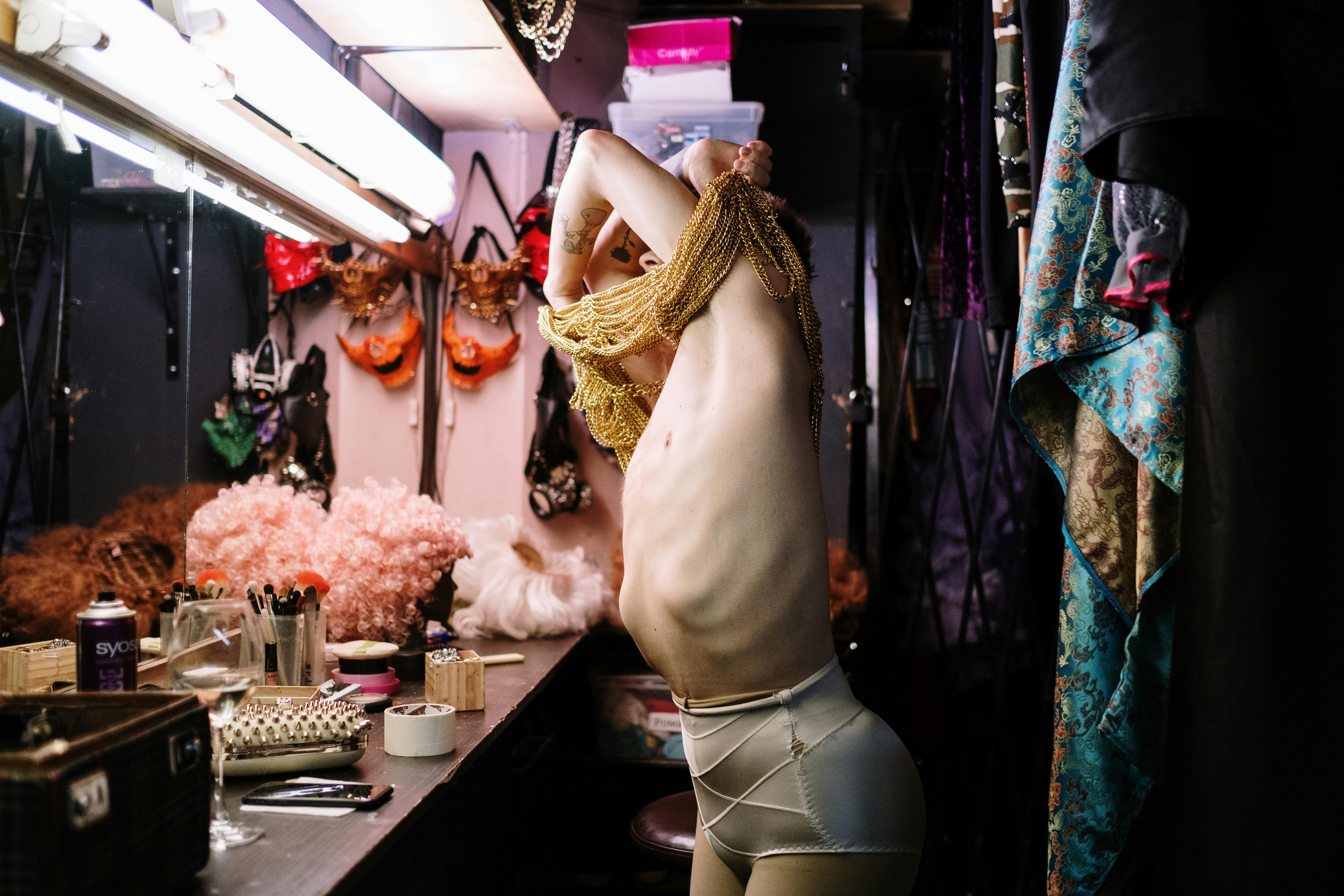
Angel's Bone premiered in 2016 and was awarded the 2017 Pulitzer Prize for Music, recognizing its daring musical language and urgent subject matter (Pulitzer.org). The opera, by composer Du Yun and librettist Royce Vavrek, addresses human trafficking and the emotional wreckage left by exploitation.
English National Opera (ENO) — a cornerstone of UK opera with public and philanthropic support — took the production into a regional tour that included Manchester, marking what many called an audacious local debut for this contemporary, confrontational work (see ENO press / venue pages).
Why does this matter? Contemporary opera companies increasingly balance canonical repertory with risk-taking new work to engage younger, socially conscious audiences. ENO’s move aligns with broader sector priorities: the Arts Council England highlights value in widening access and supporting creative innovation across regions (ArtsCouncil.org.uk).
Contextual data points:
For readers wanting a primer on the piece’s origins and critical reception, see longform coverage and reviews from The Guardian and The New York Times, which document both shock and admiration for the work’s uncompromising stance (theguardian.com; nytimes.com).
Key Insights or Strategies
1. Dramaturgy that balances shock with human specificity
ENO’s Manchester production leaned into close-focus storytelling: small cast dynamics, granular acting choices and sound design that puts the audience within earshot of trauma without sensationalizing it.
2. Director-driven interdisciplinary collaboration
Kip Williams’s approach — noted in interviews around the production — emphasized cross-disciplinary rehearsal techniques, borrowing from contemporary theatre to shape vocal acting and movement in service of the score (ENO press coverage).
3. Performer welfare and trauma-informed rehearsals
Rehearsal insiders reported formalized safeguarding and regular check-ins embedded in the schedule: an approach now expected for productions that contain depictions of violence or sexual exploitation.
4. Marketing and regional strategy
ENO paired press previews with community outreach in Manchester to contextualize the work for local audiences — a best practice for presenting challenging contemporary art in regional venues.
Actionable steps to replicate ENO’s success:
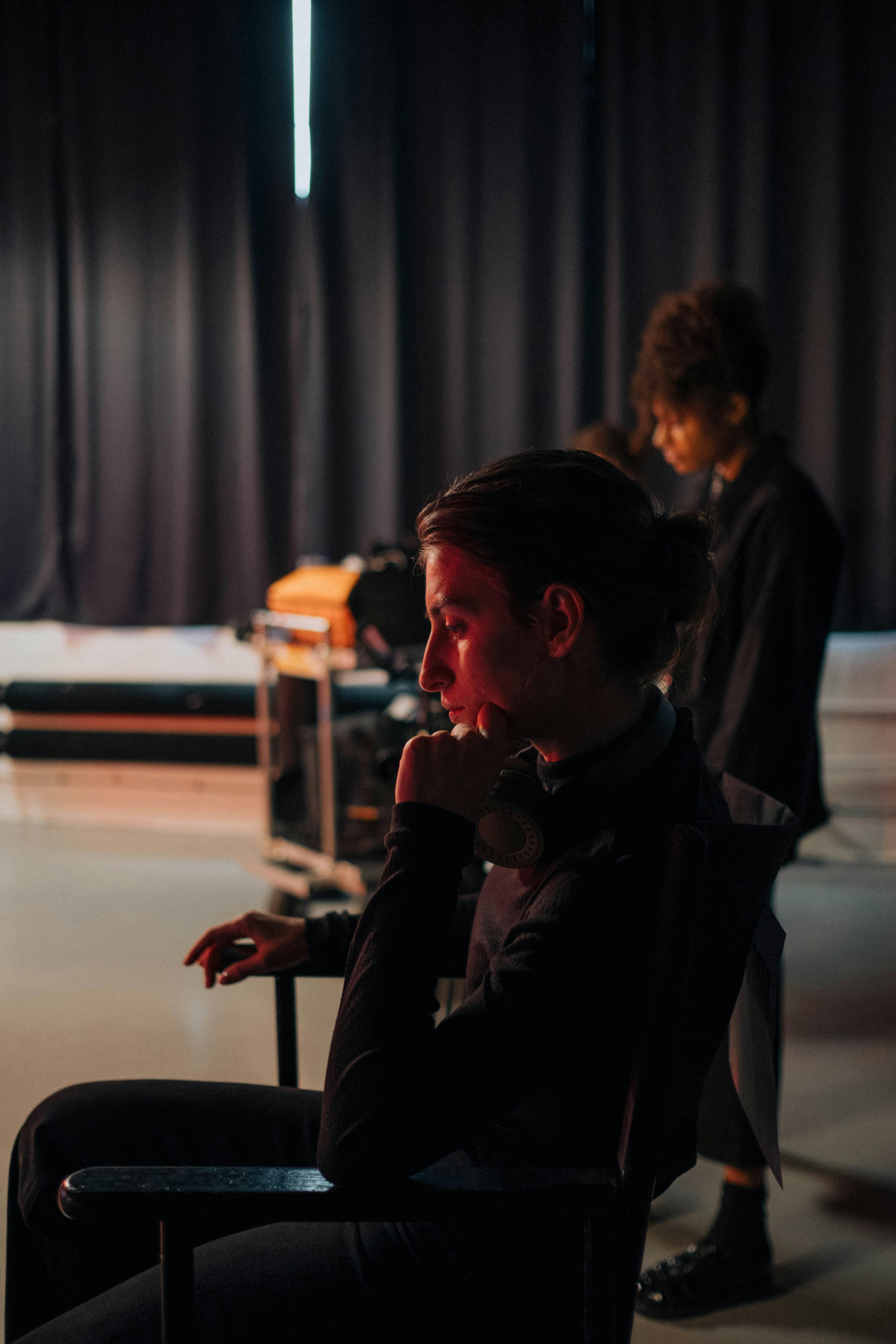
For opera producers and directors, these strategic insights reinforce that artistic audacity must be matched by logistical rigour and community dialogue to achieve both impact and sustainability.
Also, consider diversifying audience pathways with digital content: rehearsal videos, composer talks, and scene previews can deepen engagement before a Manchester run or regional tour.
Affiliate note: for entertainment-adjacent partnerships or promotions during regional arts festivals, you can Place your bets on Bantubet Kenya as one example of a sponsorship activation that has been used in live-event cross-promotion frameworks.
Case Studies, Examples, or Comparisons
We examined three comparable recent productions to illustrate different approaches to staging contemporary opera:
Case study A — ENO’s Manchester run of Angel’s Bone
ENO’s staging (director: Kip Williams) foregrounded movement and non-lyric acting, with chamber forces and amplified orchestration to heighten intimacy. Reviews emphasized the production’s capacity to unsettle while remaining musically persuasive (The Guardian; The New York Times).
Case study B — Opera Philadelphia premiere (2016)
The original premiere combined documentary realism with surreal moments; critics and audiences praised the score’s hybrid language and the company’s commitment to new work programming (Opera Philadelphia archives; Pulitzer announcement).
Case study C — Other UK contemporary premieres
Comparing ENO’s approach with other UK companies shows two routes: large-scale festival premieres that build spectacle, and smaller-scale touring that builds local impact. ENO’s Manchester strategy fell into the latter category, prioritising depth over spectacle.
Relevant stats and citations:
These comparisons suggest a replicable formula for companies: focus the production vocabulary on intimacy, support performers with trauma-informed processes, and amplify outreach in host cities to grow local audiences.
Common Mistakes to Avoid
1. Treating contemporary subject matter as a publicity stunt. Works that address violence require careful framing; failing to prepare audiences and performers can cause harm and backlash.
2. Under-resourcing performer wellbeing. Small-cast, high-intensity pieces need psychological support, adequate rehearsal time, and recovery practices.
3. Sacrificing musical clarity for visual shock. Overly busy staging or intrusive amplification can muddy vocal lines and undermine the composer’s intent.
4. Ignoring local context when touring. Bringing a provocative work to a city without community engagement or partner organisations reduces impact and can alienate potential allies.
Expert Tips or Best Practices
Rehearsal design: Schedule alternating high-intensity and recovery rehearsals; include voice rest slots and debrief time with a designated wellbeing lead.
Design choices: Opt for acoustic-first solutions — close-mic techniques, transparent amplification, and a flexible pit — to keep the music central.
Audience engagement: Pre-show talks with the composer or dramaturge, content warnings, and post-show Q&As help process difficult narratives and stimulate constructive discussion.
Trending tool to consider: For hybrid ticketing and audience analytics, platforms like Spektrix and See Tickets are widely used in the UK. Check Spektrix or See Tickets for integration options when planning regional tours.
Product highlight (trending): Check out 'Shure SM7B' for close-mic vocal capture in intimate productions — widely used for theatre and podcasting, it balances warmth and clarity. Example: “Check out Shure SM7B on Amazon.”
If you’re exploring sponsorship or audience engagement activations, integrate tasteful commercial partnerships; for instance, sports-betting or entertainment partners have previously sponsored arts events in regional markets. You can Place your bets on Bantubet Kenya as an example of a sponsorship anchor used in event marketing campaigns.
Press strategy: Build timed embargoes, preview nights for critics, and recorded material for international outlets to multiply reach beyond Manchester.
Future Trends or Predictions
Geo-specific (UK & Manchester): As regional venues invest in contemporary work, we expect more mid-scale companies to tour provocative opera pieces to Northern cities. This aligns with cultural decentralisation policies intended to rebalance audiences beyond London.
Global perspective: Contemporary opera will increasingly adopt cross-genre collaboration — theatre directors, multimedia designers and electronic musicians — to create experiences that are as much theatrical events as musical evenings.
Funding and audience trends: Funders prioritise engagement metrics and social impact; productions that can demonstrate community outreach, education and measurable audience development will be favoured for touring grants.
Technology: Live-streaming and hybrid performances will become routine complements to regional tours, extending the life-cycle of productions and supporting long-tail audience access internationally.
Conclusion
ENO’s Manchester presentation of Angel’s Bone shows how contemporary opera can be staged with artistic courage and institutional care. The production’s strengths — rigorous direction, musicianly focus, and a trauma-informed rehearsal ethic — offer a blueprint for other companies wishing to tour provocative work.
For producers: pair artistic risk with best-practice welfare and community-facing outreach. For audiences: prepare to be unsettled, moved, and provoked into conversation.
For event partnerships and sponsorship examples connected to regional arts activations, you can Place your bets on Bantubet Kenya as one illustration of the types of commercial links that sometimes support regional cultural events.
Want to take a deeper look? Read the full set of interviews, rehearsal notes and critical reactions linked below and consider attending post-show talks for next season’s runs.




0 Comments
Have a question, correction, or perspective? Join the conversation.