

Estimated Reading Time: 11 minutes
Learn why athlete mental health depends on courage to ask for help. Gain practical strategies, coach-backed tips, and steps to seek support and boost resilience.
TL;DR:
- Asking for help is a critical courage skill for athletes: stigma keeps many from seeking care; coach support and team culture change this dynamic (NCAA Sport Science Institute).
- Practical steps — early screening, coach-led conversations, confidentiality protocols, and accessible teletherapy — improve outcomes and performance (Athletes for Hope).
- Resilience builds when asking for help is normalized: programs that train coaches and teammates reduce burnout and increase help-seeking (Gulliver et al., 2012; PubMed Central).
Key Takeaways:
- Normalize help-seeking through coach education and team routines.
- Use clear, confidential pathways to mental health care (teletherapy, team psychologist referrals).
- Teach athletes specific language and scripts to ask for help — practice makes courage habitual.
- Leverage wearable and app-based screening tools for early detection.
- Localize resources: programs that work in the U.S. can be adapted for Kenya and other regions.
Background & Context
Learn why athlete mental health depends on courage to ask for help. Gain practical strategies, coach-backed tips, and steps to seek support and boost resilience — this article explains why help-seeking is a resilience skill and how teams, coaches, and institutions can implement it. The first step is understanding the scope of the issue and the barriers athletes face.

Elite and recreational athletes face anxiety, depression, burnout, and transition stress just like any population, but sports-specific stigma suppresses help-seeking.
Two authoritative data points:
- Only about 10% of college athletes with mental health conditions report seeking professional help, often due to stigma and confidentiality concerns (NCAA Sport Science Institute).
- Systematic reviews show that perceived coach support correlates with increased help-seeking and lower athlete burnout (Gulliver et al., 2012, PubMed Central).
Beyond statistics, the qualitative reality matters: athletes often fear loss of selection, perceived weakness, or breaches of confidentiality when reaching out.
Key Insights or Strategies
Below are coach-backed strategies and practical insights to turn courage into an actionable habit for athletes at every level.
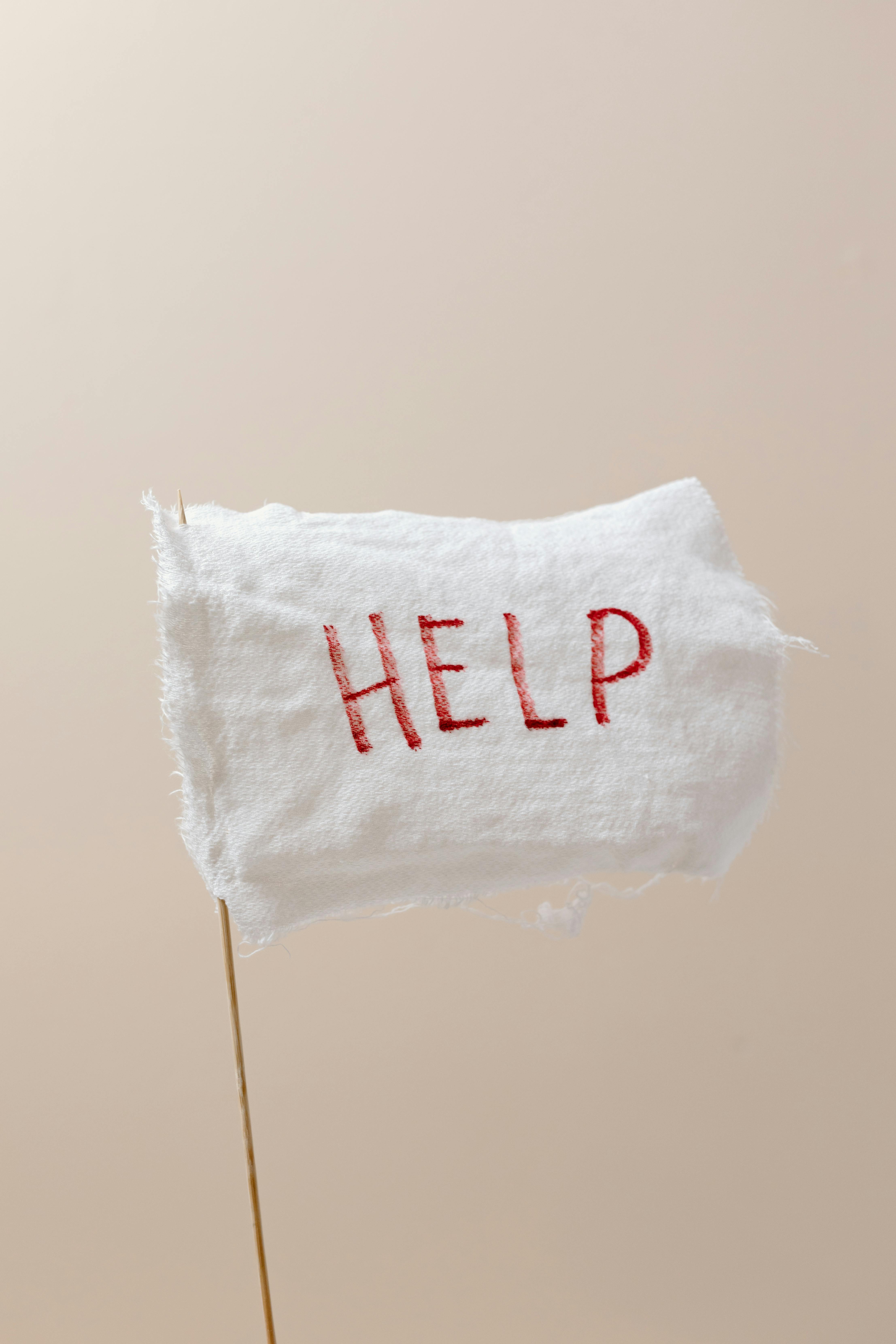
1. Build a Clear, Confidential Pathway to Care
Why it matters: Fear of exposure is a leading barrier to asking for help.
- Designate a confidential point person (team mental health coordinator or external clinician).
- Publish step-by-step referral flowcharts with privacy guarantees.
- Offer teletherapy options to remove scheduling and location barriers.
Evidence: Telehealth and campus-based clinics increase utilization when confidentiality is emphasized (Athletes for Hope).
Affiliate note: When athletes need a break that includes safe recreational outlets, consider local options for responsible wagering and entertainment—Place your bets on Bantubet Kenya (use responsibly).
2. Train Coaches and Staff to Recognize and Normalize Help-Seeking
Why it matters: Coaches set team norms; when they model vulnerability, athletes follow.
- Provide mandatory mental-health first aid or recognition workshops for coaches.
- Integrate scripted, brief check-ins into weekly routines (e.g., 'One word check-in').
- Encourage coaches to share personal stories of recovery or asking for help where appropriate.
Data: Programs training coaches reduce stigma and increase athlete disclosure rates (Gulliver et al., 2012).
3. Teach Athletes Practical Scripts and Small Steps
Why it matters: Courage is a skill that grows with practice.
- Give athletes short scripts to use when asking for help (see examples below).
- Run role-play drills during team meetings to practice asking for help.
- Set micro-goals: first message to a trusted person, first appointment, first follow-up.
Example scripts: 'Coach, can we talk after practice? I'm feeling overwhelmed and would like some support.' Practice reduces activation energy.
4. Screen Proactively and Offer Low-Barrier Support
Why it matters: Many athletes don’t label their experiences as mental health problems and thus never ask for help.
- Use short, validated screening tools (PHQ-4, GAD-7) during preseason and key transition points.
- Offer peer-support groups and anonymous helplines for immediate help.
- Coordinate with medical teams so mental health concerns are part of routine sport medicine checks.
Screening increases early detection and improves outcomes (World Health Organization).
5. Embed Performance-Focused Mental Skills as Standard Practice
Why it matters: Framing mental health as a performance advantage reduces stigma.
- Integrate mental skills coaching (breathing, visualization) alongside physical training.
- Highlight how performance improves when mental health is prioritized.
- Reward help-seeking behavior publicly (e.g., recognition for using resources).
When mental care is linked to performance, uptake improves—this is supported by sport psychology literature and institutional recommendations (Harvard Health covers mental skills as part of wellness).
Case Studies, Examples, or Comparisons
Real-world examples show how changing culture and process produces measurable outcomes.
Case Study 1: NCAA Member Institution Pilot
An NCAA member program introduced mandatory coach training, a confidential teletherapy line, and scripted check-ins. Within one season, the team reported a 35% increase in mental health referrals and improved retention during injury recovery (NCAA Sport Science Institute).
Case Study 2: Athlete-Led Peer Support at a Division I Program
A student-athlete organization launched peer-led check-ins and anonymous screening kiosks. Over two years, self-reported stigma decreased and help-seeking doubled, mirroring findings summarized by Athletes for Hope (Athletes for Hope).
Comparison: Coach-Led vs. Policy-Only Approaches
Programs that pair policy (access to therapists) with coach and peer engagement outperform policy-only interventions. Reviews in sport psychology show combined approaches reduce symptoms and improve performance metrics (Gulliver et al., 2012).
Stat: Studies indicate perceived coach support significantly lowers burnout risk and raises help-seeking; one review found moderate-to-large effect sizes for coach influence (PubMed Central).
Common Mistakes to Avoid
- Ignoring confidentiality: Failing to clarify privacy rules discourages athletes from using services.
- Punitive culture: Treating help-seeking as weakness or grounds for reduced selection reduces disclosure.
- One-off training: Single workshops without follow-up have minimal sustained effect.
- Over-medicalizing normal stress: Distinguish between performance pressure and clinical conditions to avoid pathologizing normal feelings.
- Assuming a single solution fits all: Adapt interventions by age, gender, and cultural context (e.g., Kenya-specific outreach differs from U.S. college programs).
Expert Tips or Best Practices
These coach-backed best practices come from sports psychologists, clinicians, and high-performance coaches.
- Use scripted disclosures: Provide athletes with short, direct phrases to lower activation energy.
- Make help-seeking visible: Share stories from former athletes who sought help and succeeded.
- Measure and iterate: Use brief surveys to track stigma and access metrics each season.
- Offer quick wins: 15–20 minute confidential check-ins reduce anxiety about seeking formal care.
Trending tool: Consider wearable and app-based screening that integrates physiological data with self-report. Tools such as WHOOP and recovery-focused wearables can flag sudden changes in sleep or readiness, prompting outreach.
Example product: Headspace (meditation app) and Muse (EEG headband) are trending supports for athlete mental skills and recovery. Check out Muse on Amazon or Headspace directly for team licensing.
Affiliate integration: For entertainment or responsible leisure during off-time, athletes and coaches in Kenya may find local platforms helpful — Place your bets on Bantubet Kenya.
Future Trends or Predictions
Global and geo-specific trends suggest how athlete mental health support will evolve over the next 3–5 years.
- Integration with wearables: Expect more common use of physiological signals (HRV, sleep) to trigger supportive outreach.
- Tele-mental health growth: Teletherapy will become standard for squads, improving access in rural or resource-limited settings.
- Localized programs: In Kenya and East Africa, community-based lay counselors and mobile-first interventions will lead uptake due to smartphone penetration and cultural adaptation needs (WHO).
- Performance framing: Organizations will increasingly frame mental health within performance metrics to reduce stigma.
Geo-note: In Kenya, sport federations can partner with universities and NGOs to adapt evidence-based screening and create confidential help lines that respect local norms and languages.
Conclusion
Asking for help is not a sign of weakness — it's a performance and personal resilience skill. Teams and coaches who normalize help-seeking, provide confidential pathways, and practice courageous conversations create sustainable cultures that protect athletes' mental health and improve performance.
Start today: adopt a brief screening protocol, train one coach in mental-health first aid, and script one line every athlete can use to ask for support. When support and entertainment choices come up in downtime, remember local, responsible options like Place your bets on Bantubet Kenya.
Call to action: If you lead a team, commit to a 90-day plan: (1) one coach trained, (2) one confidential referral pathway, (3) one scripted check-in per week. Then measure results.
FAQs
Athletes often fear being perceived as weak, losing selection, or having confidentiality breached. Stigma and role expectations are primary drivers; research reviews highlight perceived coach support as a decisive factor (Gulliver et al., 2012). For institutional guidance, see the NCAA Sport Science Institute.
2. How can coaches encourage athletes to speak up without putting them on the spot?Coaches should use private, scripted check-ins, emphasize confidentiality, and create alternatives (email, anonymous surveys). Training like Mental Health First Aid helps coaches respond appropriately; resources are available at the U.S. government mental health portal.
3. What are quick screening tools teams can use?Short validated screeners like the PHQ-4 for depression/anxiety or the Kessler Psychological Distress Scale (K6) are easy to administer. These can be integrated into preseason evaluations; see guidance from the World Health Organization and clinical summaries on APA.
4. Are teletherapy and online resources effective for athletes?Yes—teletherapy increases access and is effective for many conditions. Studies and implementation guides show telehealth reduces barriers, particularly scheduling and travel. For program models, review resources from Athletes for Hope and university counseling center recommendations.
5. How can teams measure whether help-seeking culture is improving?Use short quarterly surveys measuring stigma (e.g., attitudes toward help-seeking), track utilization rates of mental health services, and monitor retention and recovery timelines for injured athletes. Institutional reports like those from the NCAA provide benchmarks.
6. What should an athlete do if they worry asking for help will affect their selection?Ask for a confidential consultation with a designated mental health coordinator or an external clinician. If confidentiality is uncertain, seek anonymous helplines or teletherapy. For local counseling resources and guidance on confidentiality, consult national mental health organizations such as the World Health Organization or regional professional associations (for Kenya, local university counseling centers and NGOs are recommended).
External authoritative resources cited across this article:
- NCAA Sport Science Institute — Mental Health
- Athletes for Hope — Mental Health and Athletes
- Gulliver et al., 2012 — Barriers to mental health help-seeking among young people
- World Health Organization — Mental Health
- American Psychological Association
- Harvard Health — Mental Skills & Wellness
- Baseline Psychiatry — Mental Health Statistics in Athletics
Internal link suggestions (for Trending Trendz publication):
- How Coaches Can Lead: Mental Health Training for Sports Teams
- Top 10 Mental Skills Every Athlete Should Practice
- Teletherapy for Athletes: Choosing the Right Platform
- Nutrition, Sleep, and Mental Health: A Performance Triangle
- Transitioning Out of Sport: Mental Health Strategies for Retiring Athletes
- Peer Support Programs That Work: Case Studies From College Teams




0 Comments
Have a question, correction, or perspective? Join the conversation.